The Boys From Karkala Are Not Coming
For eighty years, Matunga's Udupi kitchens ran on a supply chain of teenagers from coastal Karnataka. That pipeline is quietly closing.
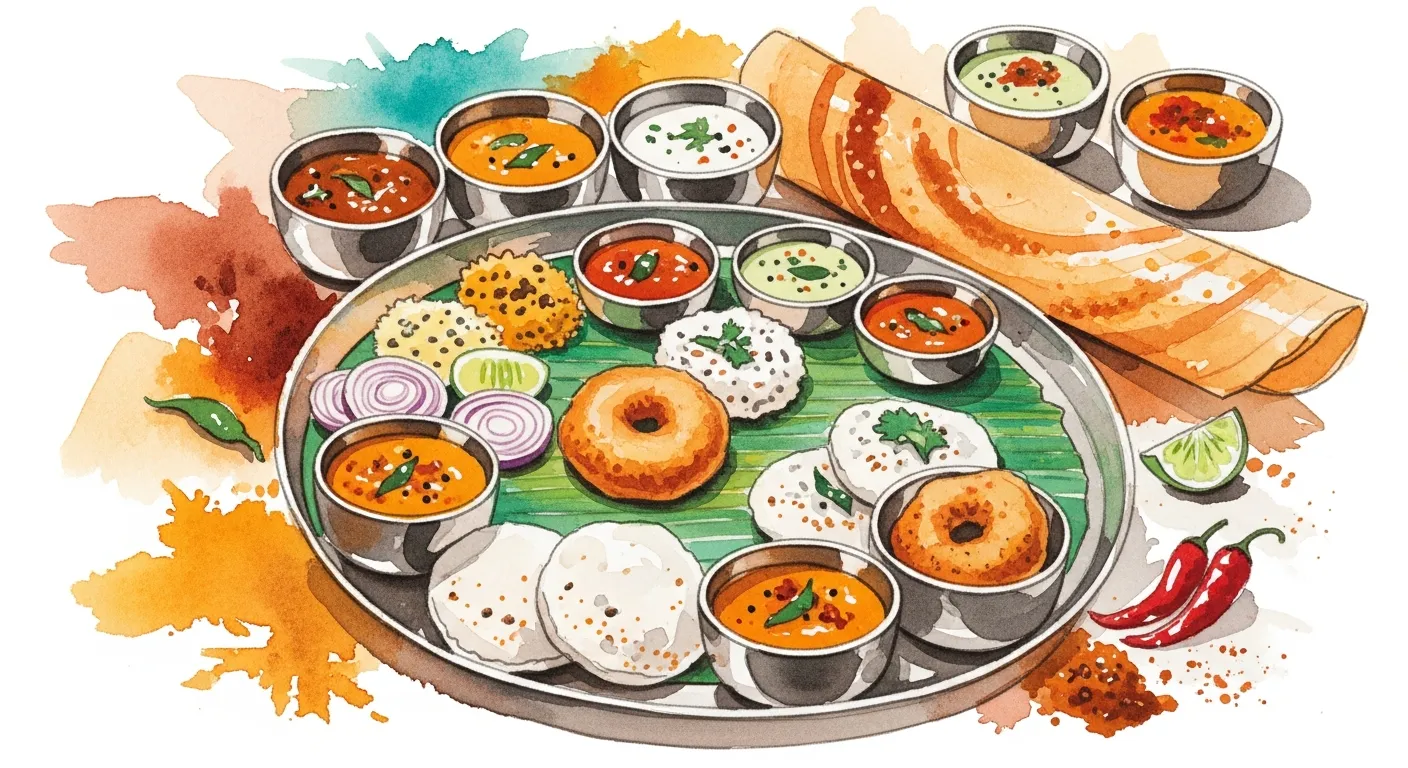
Generated by Imagen 4
In 1928, a boy named Krishna Nayak got off a train at Victoria Terminus with a cloth bundle and an address written on a piece of paper. He was thirteen. He was from a village near Karkala, a few hours inland from Udupi. His uncle, who had come up to Bombay a decade earlier, had a small eating house in Matunga and needed someone to wash vessels. The deal was simple. Food, a place to sleep on the restaurant floor at night, and enough money sent home every month to keep his younger sister in school. In exchange, he would learn. The dosa tawa. The sambar pot. The rice measure. The banana leaf.
By the time he was twenty-five, he was running the kitchen. By the time he was thirty-five, he had opened his own place two streets away. He then wrote home for his nephew.
This was not a career path. This was an ecosystem. And it is the single most important fact about why the Udupi restaurant in Bombay ever existed at all.
THE SUPPLY CHAIN NOBODY MAPPED
The Shetty and Shivalli Brahmin families who built Matunga's restaurant economy in the 1930s and 1940s did not just bring recipes. They brought a labour system. The Economic Times documents how the Shetty community, migrating from Tulu Nadu to Bombay in the early twentieth century, built their restaurant empire on one specific principle: recruit from home, train on the job, and let the trained ones eventually open their own places.
A boy arrived from a village near Udupi, Karkala, or Kundapur. He was housed. He was fed. He was paid modestly but consistently. He was taught. Ten years later, if he was any good, someone loaned him the capital to open his own eating house. He then wrote home for the next boy.
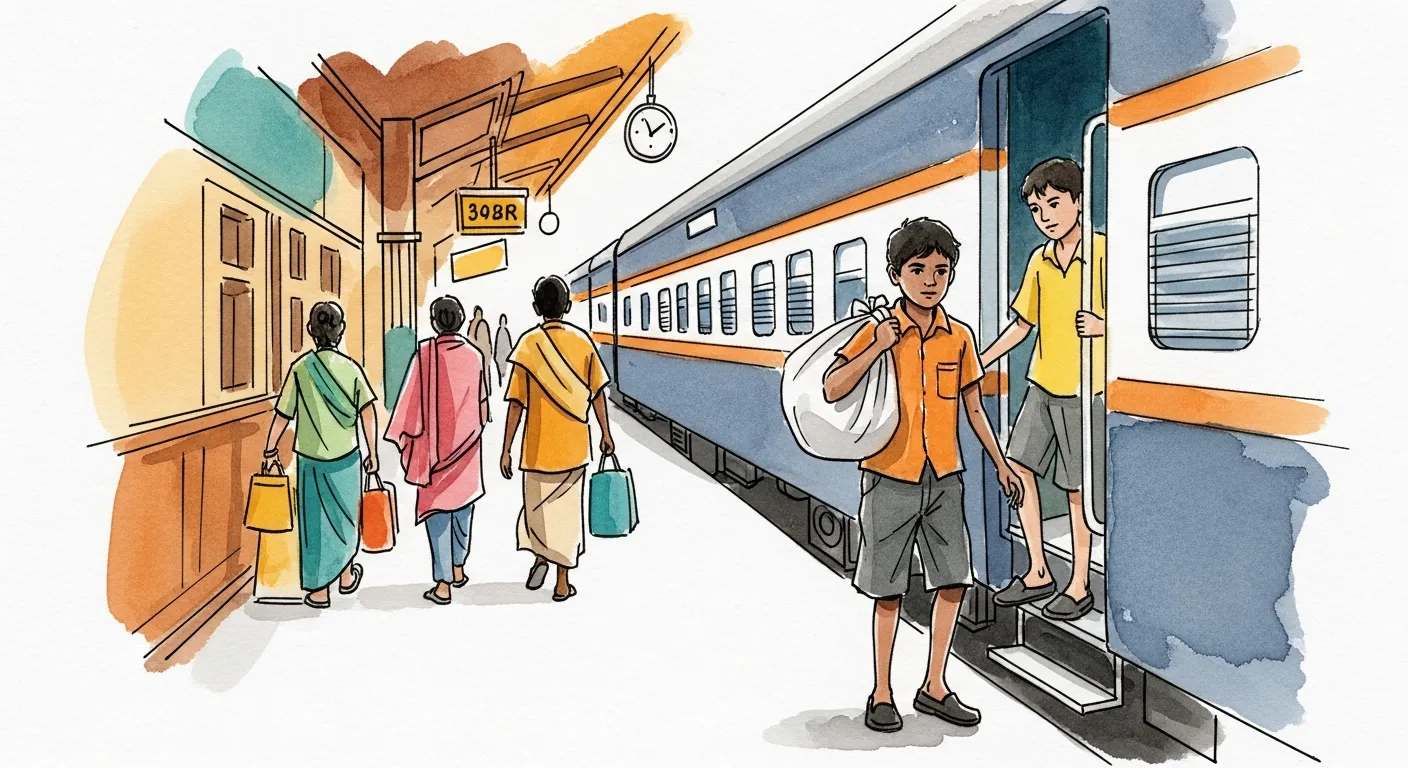
The entire South Indian breakfast in Bombay, the idli that arrived hot at 7 am, the dosa that cracked under a spoon, the sambar that tasted the same in 1952 and 1997, was produced by this quiet pipeline of teenagers moving north on the Konkan railway.
Nobody talks about the fact that every Udupi restaurant in Matunga is, at its core, a labour contract between a village in coastal Karnataka and a kitchen in Bombay. When the village stops sending boys, the kitchen stops working.
THE FOUR-GENERATION PROBLEM
Sharda Bhavan opened in the 1930s. Amba Bhavan followed shortly. The Indian Express, in its profile of these institutions, notes that both have now been run by four generations of the founding families. Four generations is not a business milestone. It is a demographic crisis waiting to be named.
The first generation arrived from the coast with nothing but a technique. The second generation expanded, opened branches, standardised the sambar. The third generation went to college. The fourth generation is in Bangalore writing code, or in New Jersey running a Series B, or in Bandra doing something involving decks and investors.
Ramashraya, opened in 1939, is now in the hands of its third generation. The Indian Express quotes the family describing their children as being part of the 'task force,' which is the kind of phrase you use when you are hoping something is still true. The children help. The children visit. Whether the children take over is a different sentence.
The recipe is written down. The suppliers are still calling. The question is who is standing at the tawa in 2045.
THE VILLAGE STOPPED SENDING BOYS
Here is what changed on the other end of the pipeline. Coastal Karnataka is no longer a labour-exporting economy in the way it was in 1935. Udupi district has one of the highest literacy rates in India. Its young men are becoming nurses in Muscat, engineers in Bangalore, seafarers on Norwegian tankers. The Gulf remittance economy alone rewrote the calculus of what a fourteen-year-old from Karkala does with his life.
He does not get on a train to Bombay to wash vessels for eight years in the hope of one day owning a small restaurant off Kings Circle. He gets on a plane to Abu Dhabi.
This is not a loss. This is progress. The boys from Karkala are now doctors. Their sisters are now doctors. Their mothers, who used to send them off with a cloth bundle and an address, now video-call them at nine pm from a home the remittances built. Good.
But Matunga's kitchens ran on that cloth bundle. And the ones now standing at the tawa are in their fifties and sixties, with nobody standing behind them.
THE LPG WEEK, AND WHAT IT REVEALED
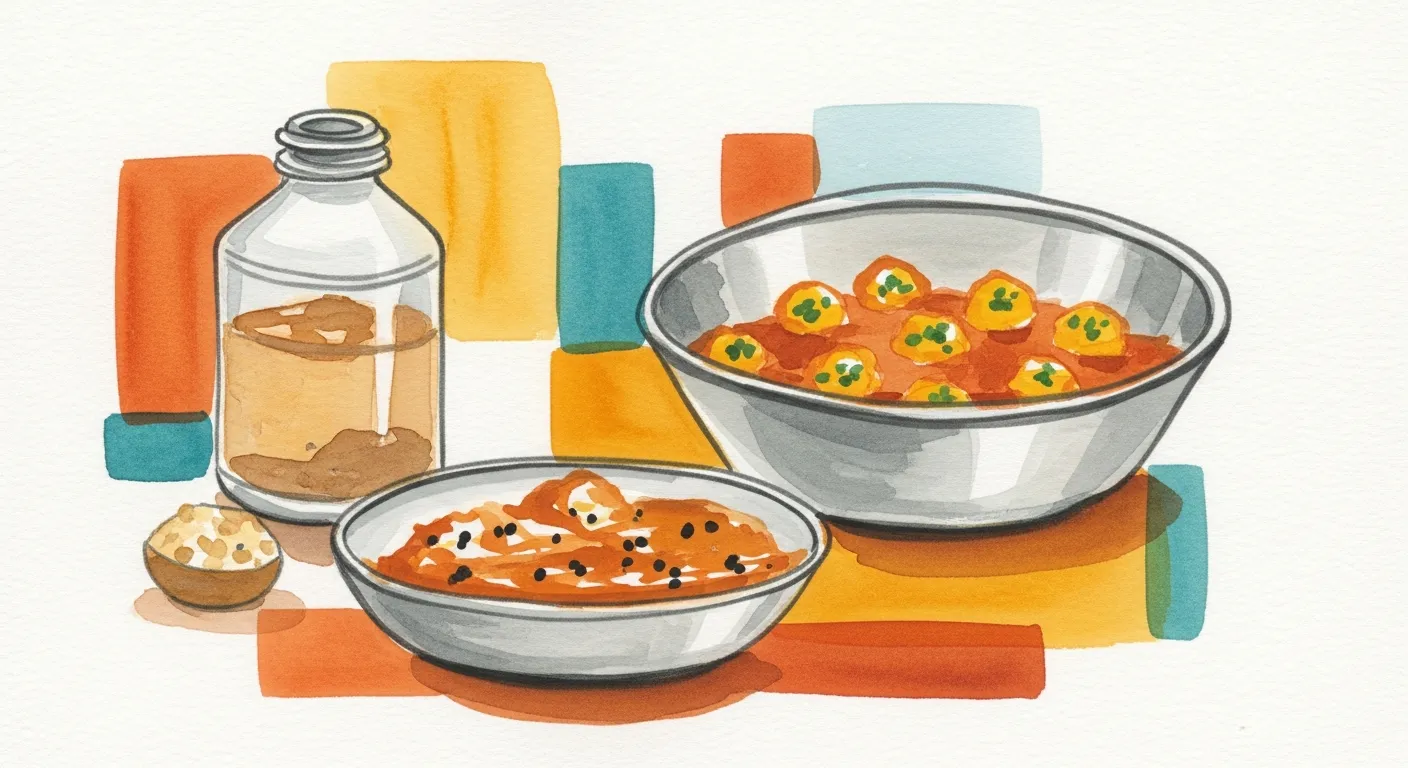
In March 2024, a commercial LPG shortage hit Bombay. The Free Press Journal reported that according to Association of Hotels and Restaurants (AHAR) president Vijay Shetty, nearly 35% of the city's 16,000 eateries were closed by Wednesday. The number is real. The failure it exposed was structural.
Matunga's Hotel Ramashray, in its 87-year history, was reduced to serving four items. Sada dosa, mysore sada dosa, tea, and filter coffee. At A. Rama Nayak's Udipi Shri Krishna Boarding, the puris and papads came off the menu, and the owner spoke publicly about the difficulty of maintaining the founding ethos and the affordability the restaurant is built on.
A gas shortage is a gas shortage. It resolves. What it revealed is a different animal. The margins at these restaurants are so thin, the staff so few, the redundancy so absent, that any external shock, LPG, rent, one skilled cook not showing up, translates instantly into the menu shrinking.
An eighty-seven-year-old restaurant reduced to four items is not a supply chain story. It is a labour story wearing a supply chain costume.
THE AUTHENTICITY TAX
The Indian Express profile mentioned, almost in passing, that Sharda Bhavan and Amba Bhavan have struggled to find craftsmen who can repair the original wooden furniture. The same men who could fix a ninety-year-old teak chair could also, historically, fix a ninety-year-old kitchen. They are in the same labour pool. That pool is shrinking at both ends.
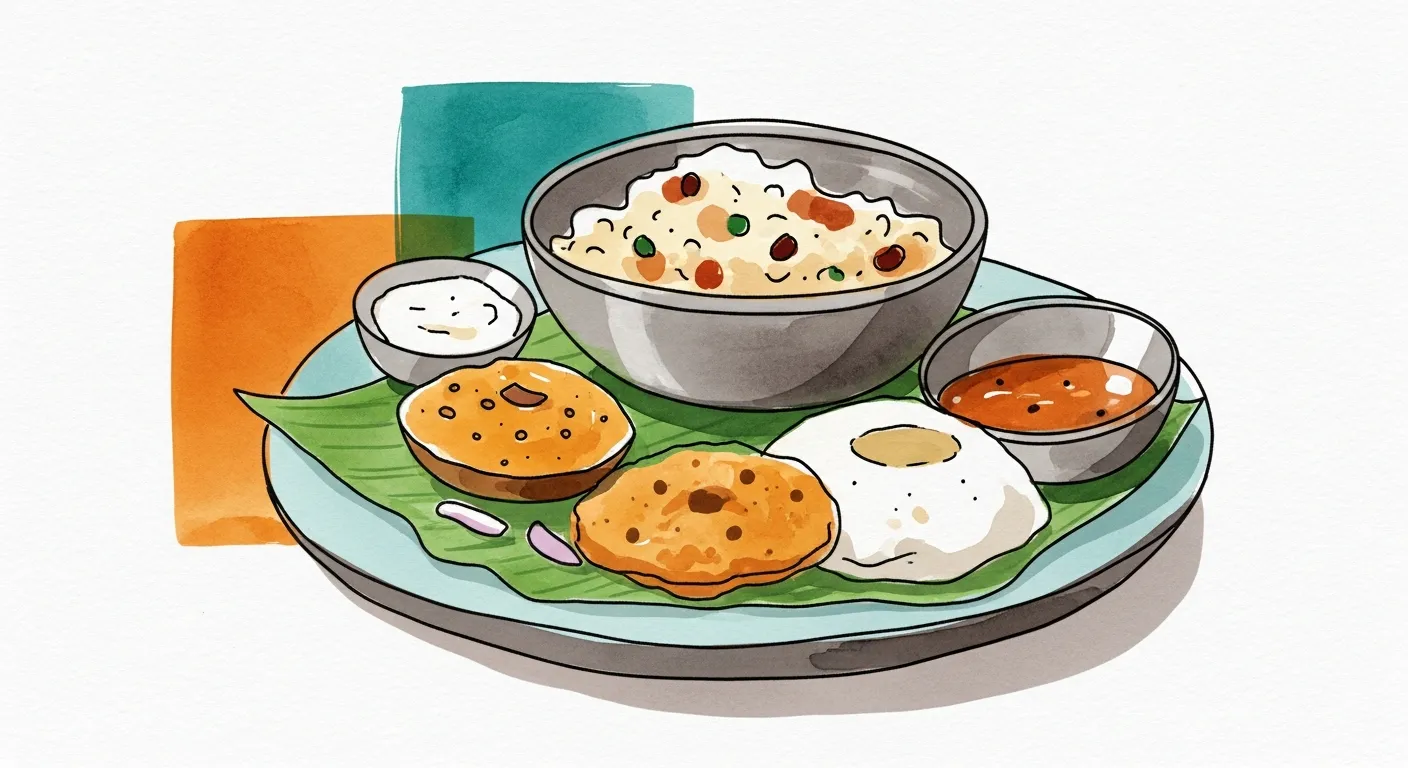
The Udupi restaurant was never a fine-dining exercise. It was a system. Banana leaves arriving before dawn from Vasai. Rice soaked the previous evening. Batter fermented overnight. A cook who knew, without measuring, how much water goes into the sambar. A server who walked the aisle in silence, refilling before you asked. A cashier who was often the owner's brother. A boy at the sink who would, in fifteen years, be running the tawa.
Remove any one of those links and the whole thing does not so much break as quietly become something else. A restaurant that used to serve twenty-four items serves eighteen. Then fourteen. Then the puris come off. Then the papads. Then, on a bad Tuesday in March, only the dosa and the filter coffee remain.
WHAT HOLDS
The filter coffee at Ramashraya is still sixty rupees. The thali at Rama Nayak is still served on a banana leaf, still without onion or garlic, still with refills until you stop them. The families still live within walking distance. The temple is still around the corner. The morning queue at Cafe Madras still starts before the shutters go up.
The line is holding. It is being held by fewer hands.
Somewhere in a village near Karkala, there is still, statistically, one fourteen-year-old boy who might get on the train. His mother would rather he did not. His uncle in Matunga is waiting either way.
The recipe never left. The boy did.
Field Notes
Quick referenceSharda Bhavan and Amba Bhavan opened in the 1930s. Both are now in their fourth generation of family ownership.
During the March 2024 LPG shortage, 87-year-old Hotel Ramashray served only sada dosa, mysore sada dosa, tea, and filter coffee.
35% of Bombay's 16,000 eateries shut mid-week during the March 2024 commercial LPG shortage, per AHAR president Vijay Shetty.
Karkala to Victoria Terminus: one train, one cloth bundle, one address. That route built the Udupi restaurant economy of Bombay.
Today's fourteen-year-old from Karkala is likelier to board a flight to Abu Dhabi than a train to Bombay. Udupi district has one of the highest literacy rates in India.
Get the next story first
Join the Bhukkads. Free, no spam, just stories.
Takes 30 seconds.