The Clubhouse Became a Restaurant
In Chembur, home-chefs are selling tickets to their own living rooms. The rent is zero. The waitlist is six weeks.
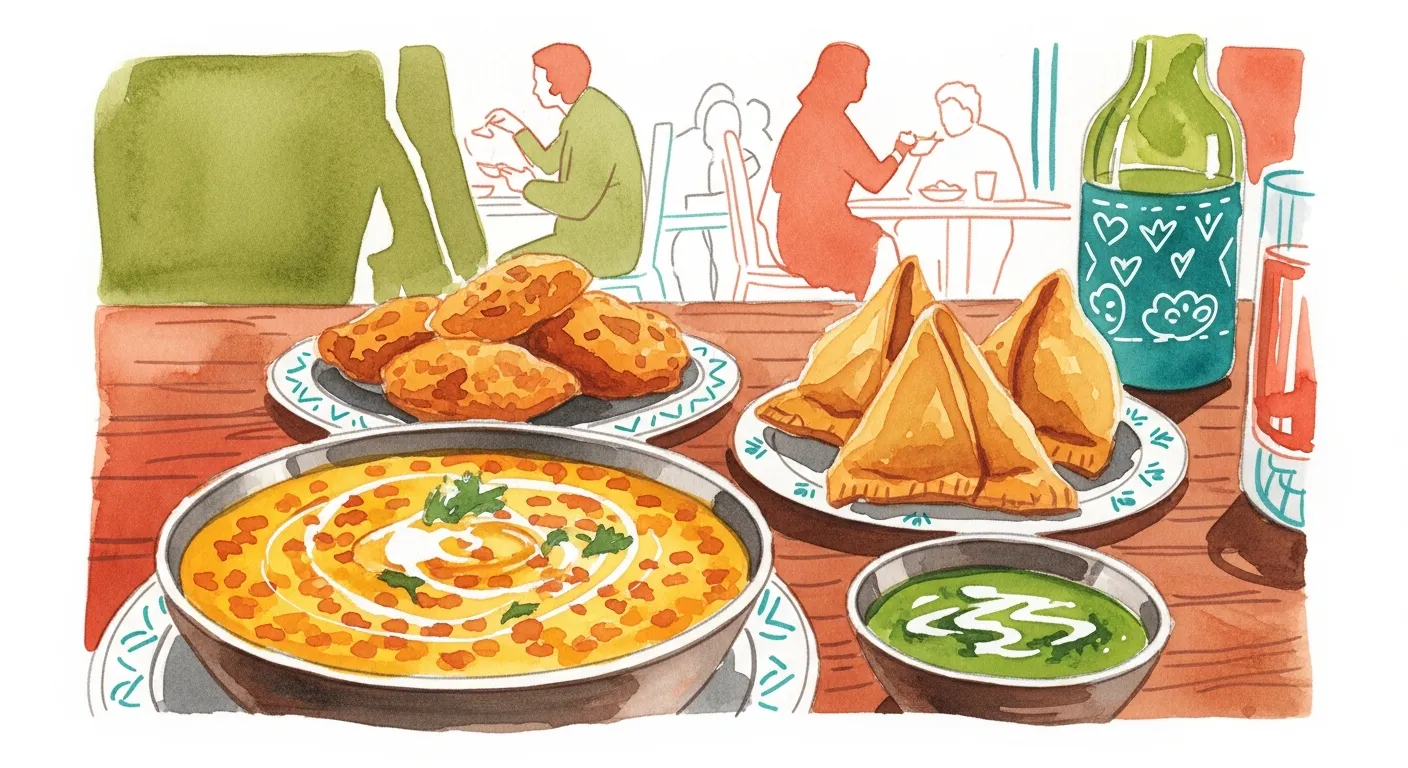
Generated by Imagen 4
In 1974, a man named Jiggs Kalra was not yet the person he would become. He was still a hotel management graduate writing food columns for a newspaper that paid him in bylines. What Kalra understood before anyone else in this country was a simple thing. Indian food, the real Indian food, the food that got cooked in Punjabi grandmothers' kitchens and Bohri thaals and Chettiar houses in Karaikudi, was not on any restaurant menu. It could not be. The economics did not work. A restaurant needed a chef who could cook twelve dishes fast. A grandmother cooked one dish slow, for eight people, on a Sunday.
For fifty years after that, the Indian restaurant industry tried to solve this by inventing a cuisine that did not exist. Butter chicken. Paneer tikka. Dal makhani for two hundred covers a night. The grandmothers stayed in the kitchens. The tourists ate the invention.
Then the rent got too high, and the grandmothers started selling tickets.
THE ARITHMETIC THAT BROKE THE RESTAURANT
In May 2026, NDTV Profit reported that Bombay's retail rents had surged up to 20% year-on-year, with premium commercial spaces in select developments commanding as much as 777 rupees per square foot per month. A modest 800 square foot restaurant space in a mid-tier Chembur location was quoting somewhere between 3.5 and 5 lakh a month in rent alone before a single burner was lit.
Add deposit. Add fit-out. Add FSSAI. Add BMC. Add the shop and establishment licence. Add the health trade licence. Add staff. Add gas. Add the two rounds of chai for the inspector who comes on a Tuesday to check something that was already checked on Friday.
India Today reported in May 2026 that rising rent, fuel, and labour costs were pushing even street food operators into margins that would not have been recognisable ten years ago. If a vada pav stall was struggling, the sit-down restaurant with linen napkins was doing worse.
The maths of a Bombay restaurant in 2026 requires you to sell either alcohol or ambience. If you cannot sell either, you cannot pay the rent.
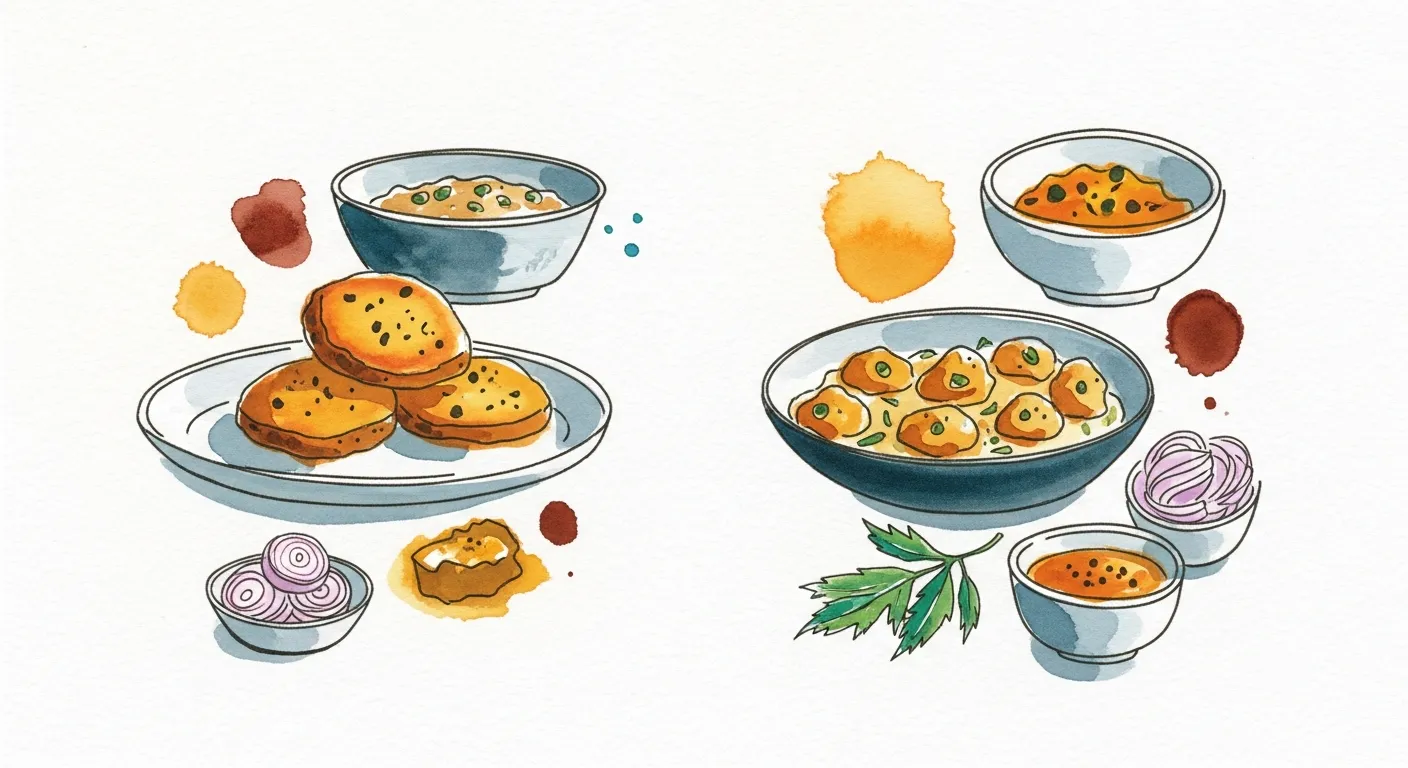
Which is why, on a Saturday evening in July, thirty-two people paid 2,400 rupees each to eat dinner in the party hall of a housing society in Chembur East.
THE POP-UP THAT WENT INSIDE THE GATE
ThePrint documented in February 2025 that ticketed pop-ups had become the newest dining format for Indian chefs, valued for their agility and the absence of the hefty investment required for a brick-and-mortar setup. The article described curated, ticketed events for small groups, priced anywhere from 1,800 rupees to 1 lakh per seat depending on the chef and the format.
What ThePrint did not report, because it happens quietly and nobody has bothered to count it, is that a large slice of this economy in Bombay is not happening in rented restaurant spaces or borrowed studios in Bandra. It is happening inside residential gates.
A home-chef in Chembur, let us call her by what her WhatsApp broadcast calls her, Meena tai, has been running a small tiffin service out of her flat in Diamond Garden for eleven years. In late 2024 she did the maths on opening a small dining room on the ground floor of a building near the diamond junction. The rent quote was 1.8 lakh a month for 450 square feet. She walked away from it.
Instead, she asked the secretary of her own society if she could rent the clubhouse party hall for a Saturday evening. The society charges residents 4,000 rupees for a private booking. She booked it, invited thirty guests off her WhatsApp list, charged 2,200 rupees a head for a seven-course Konkanastha Brahmin meal, and cleared close to 45,000 rupees after ingredients and one hired hand.
She now does two Saturdays a month.
The rent went from 1.8 lakh a month to 8,000 rupees a month. The kitchen went from imaginary to the one she already owned.
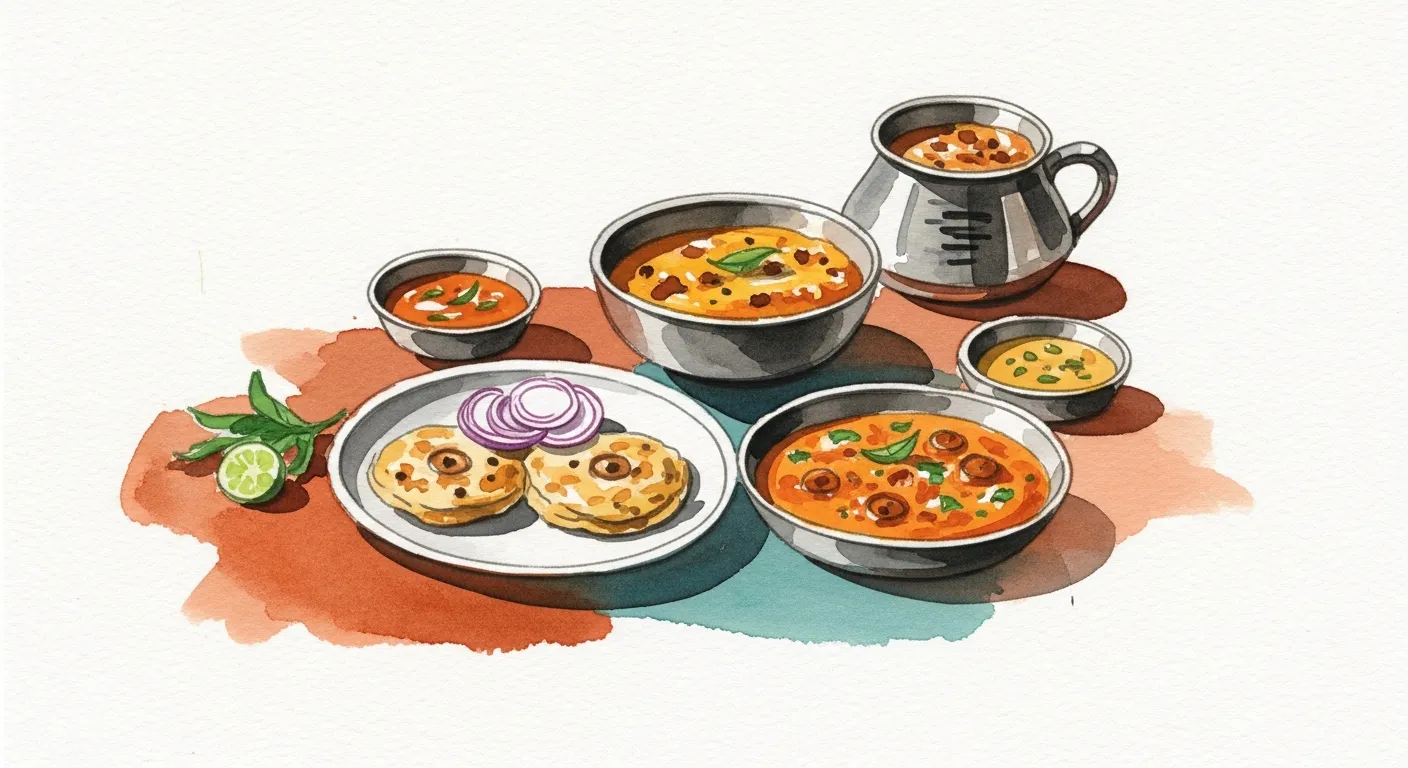
THE PART NOBODY TALKS ABOUT
Everybody wants to talk about the food. The food is the easy part. What nobody talks about is the infrastructure that made this format possible, and the infrastructure is the clubhouse.
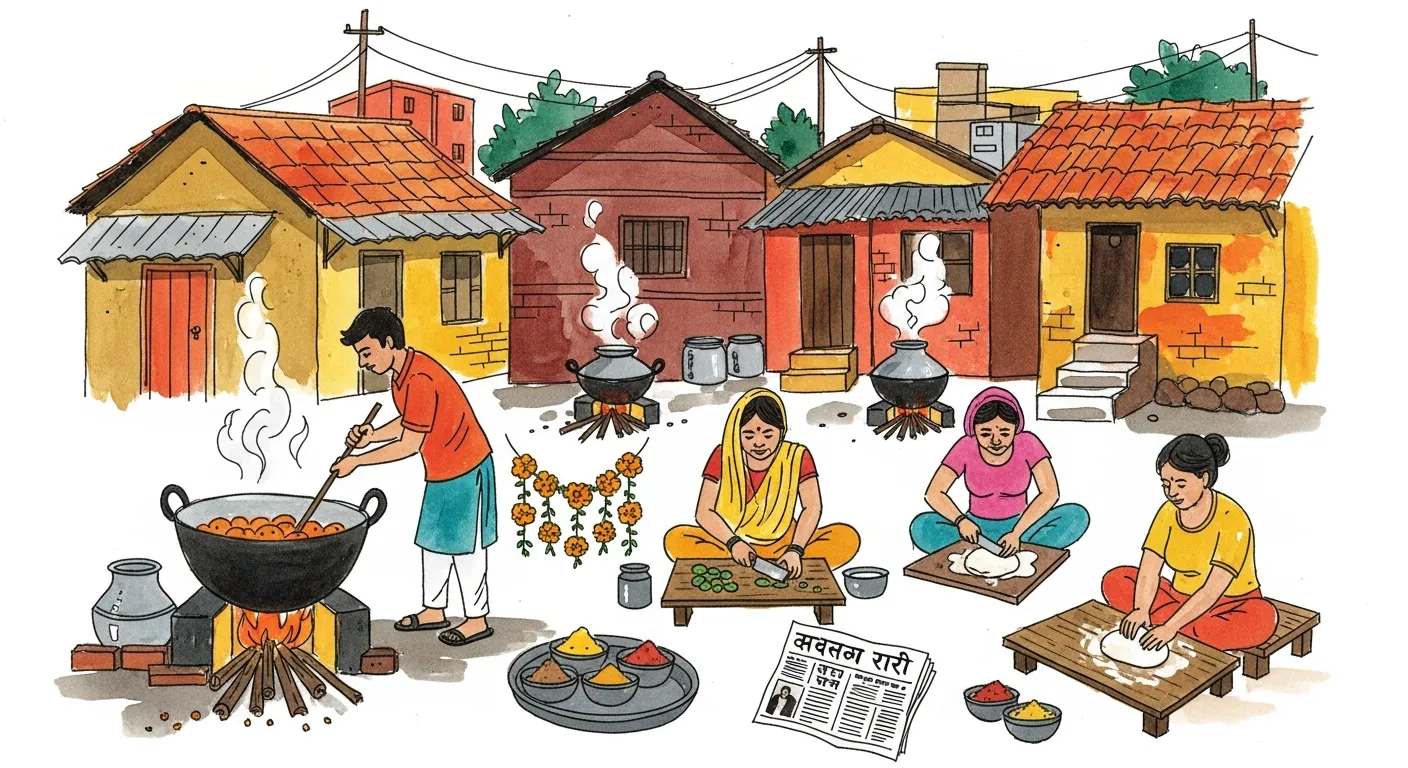
Every mid-sized housing society built in Chembur between 1985 and 2015 has one. A hall. A pantry. A few plastic chairs stacked in a corner. Built originally for weddings that the family could not afford to hold in a banquet hall, for the annual Ganpati celebration, for the society AGM where two uncles fight about the water tank. For most of the year, these halls sit empty. Fluorescent tube light. A ceiling fan that clicks. A calendar from 2019.
The home-chef pop-up figured out that this was nearly free real estate. Priced at what a resident's cousin's mehendi costs to host. And it comes with the two things a commercial restaurant cannot buy at any price. A functioning kitchen adjacent. And a guest list that is essentially pre-vetted, because the buyer either lives in the society or was brought by someone who does.
The Times of India reported in December 2025 that home kitchens had transformed into entrepreneurial hubs across Indian metros, driven by consumer demand for authentic, regional, personalised meals that the restaurant industry had failed to deliver.
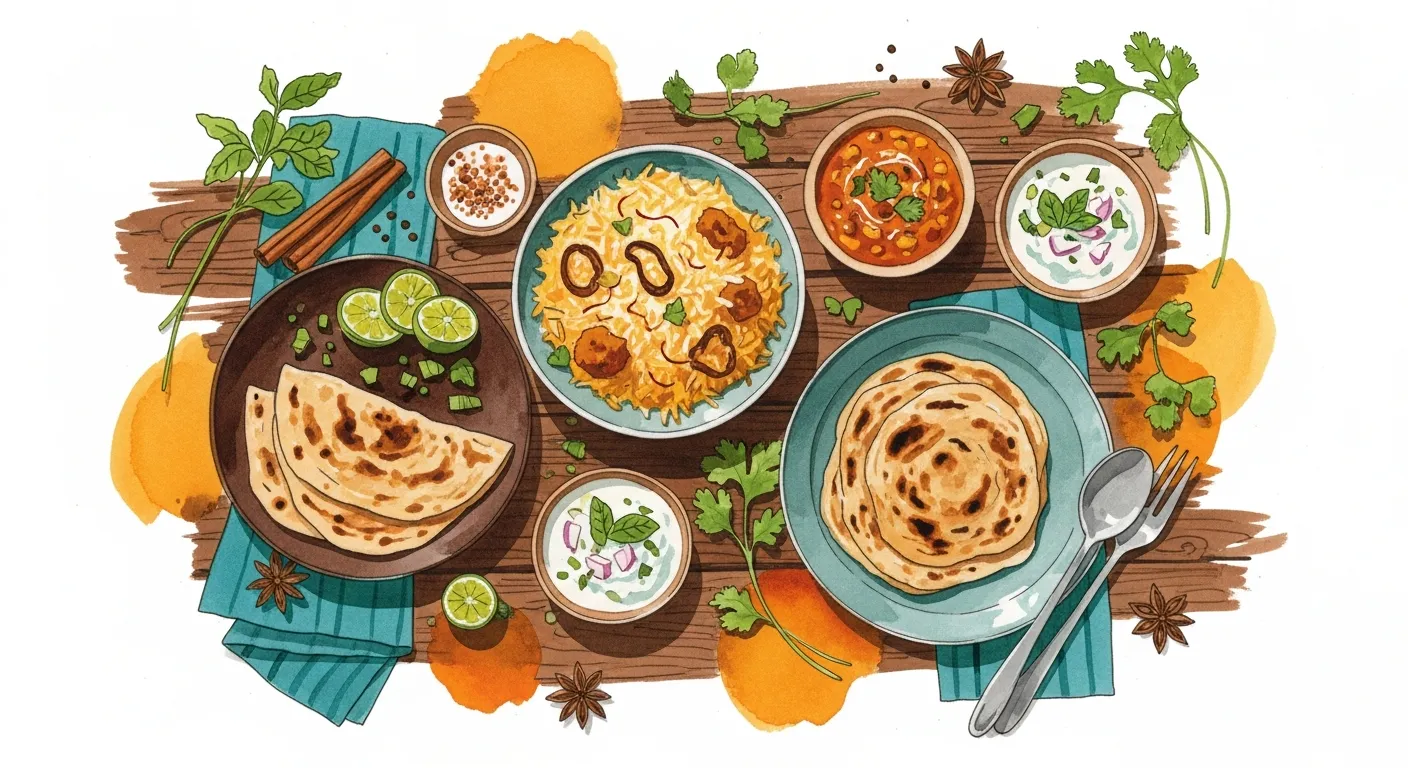
In Chembur, that trend has a specific shape. It is Bengali on the second Saturday. It is Sindhi kadhi and koki on the third. It is a CKP fish curry evening in a Tilak Nagar clubhouse where the chef, a former banker who took VRS in 2022, cooks bangda in a Sunday-morning masala her grandmother wrote down on the back of a Cadbury wrapper in 1968.
THE FIVE PEOPLE WHO BUILT THIS
Meena Deshpande, 54, in Diamond Garden, runs the Konkanastha Saturdays. Started in November 2024. Waitlist currently at six weeks.
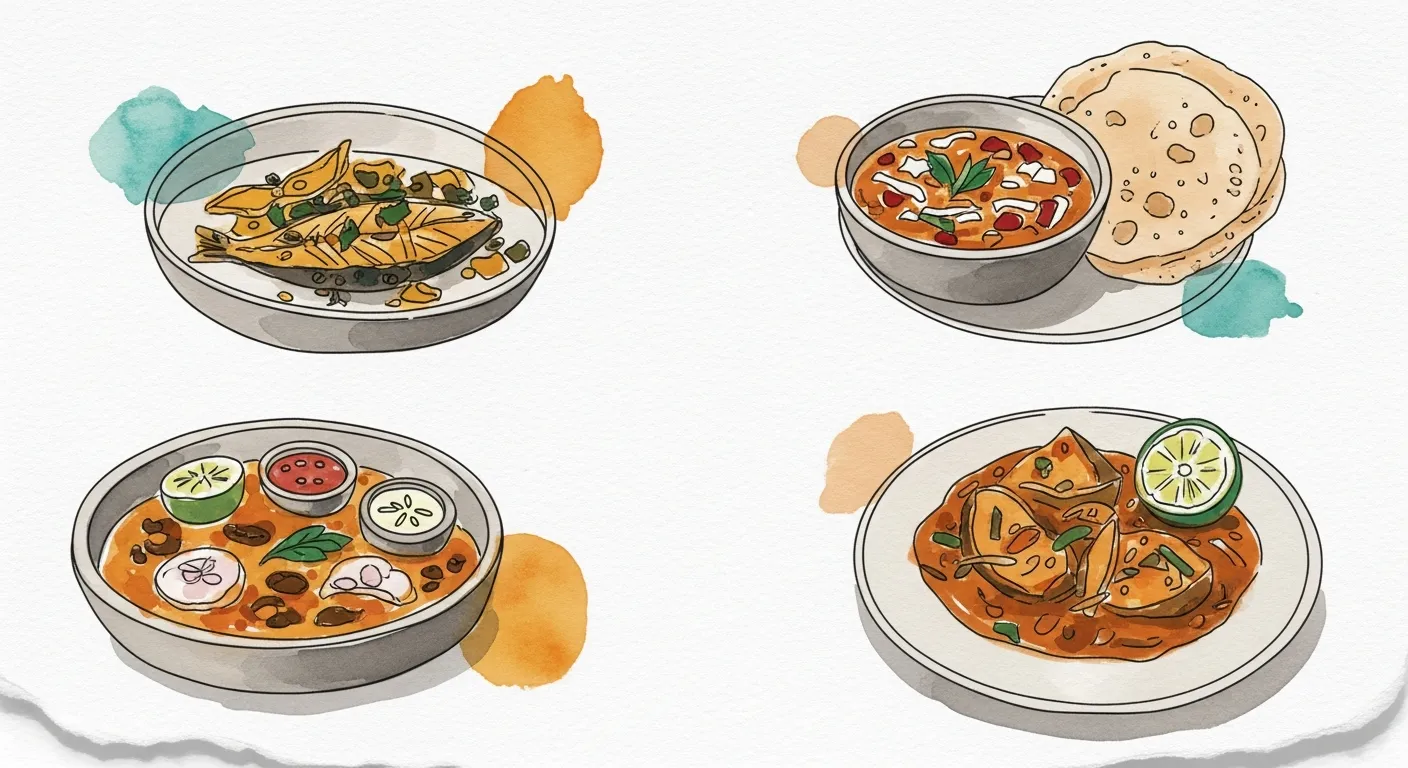
Rupa Basu, 47, in Chembur East, does Bengali monthly pop-ups out of her own drawing room, eight seats, 3,200 rupees a head, six-course. Started February 2025. Booked out through March 2027.
Asha Ahuja, 61, in Sindhi Camp, cooks a Sunday brunch pop-up in her building's terrace common area, forty covers, 1,600 rupees. Dal pakwan, sai bhaji, koki, seyal maani, lolo. Started April 2025. Full every week.
Sujata Iyer, 58, on the Sion-Chembur border, hosts a Palakkad Iyer meal in a rented society hall in Chembur Naka, twenty-four seats, 2,800 rupees. Once a month. The wait is currently four months.
Farida Kagalwala, 49, in Chembur Camp, does a Bohri thaal for eight, in her own home, 4,500 rupees a head, one Saturday every two months. She has never advertised. She has never needed to.
Five women. Five kitchens that did not exist in the commercial food economy three years ago. Combined, they are moving somewhere close to 12 lakh rupees a month in food revenue, none of which is paying commercial rent, none of which is on Zomato, none of which is showing up in any BMC ledger.
The restaurant industry lost these customers and does not know it yet.
THE COMMUNITY BOND THAT NOBODY PLANNED
The thing that happens at these dinners, the thing nobody bookmarked as a feature, is that the guests are strangers who live in the same building. Or the next building. Or three lanes over. They have seen each other in the lift for six years and have never spoken. On Saturday evening, at Meena tai's clubhouse dinner, they are sharing a bowl of amti and asking each other where their kids go to school.
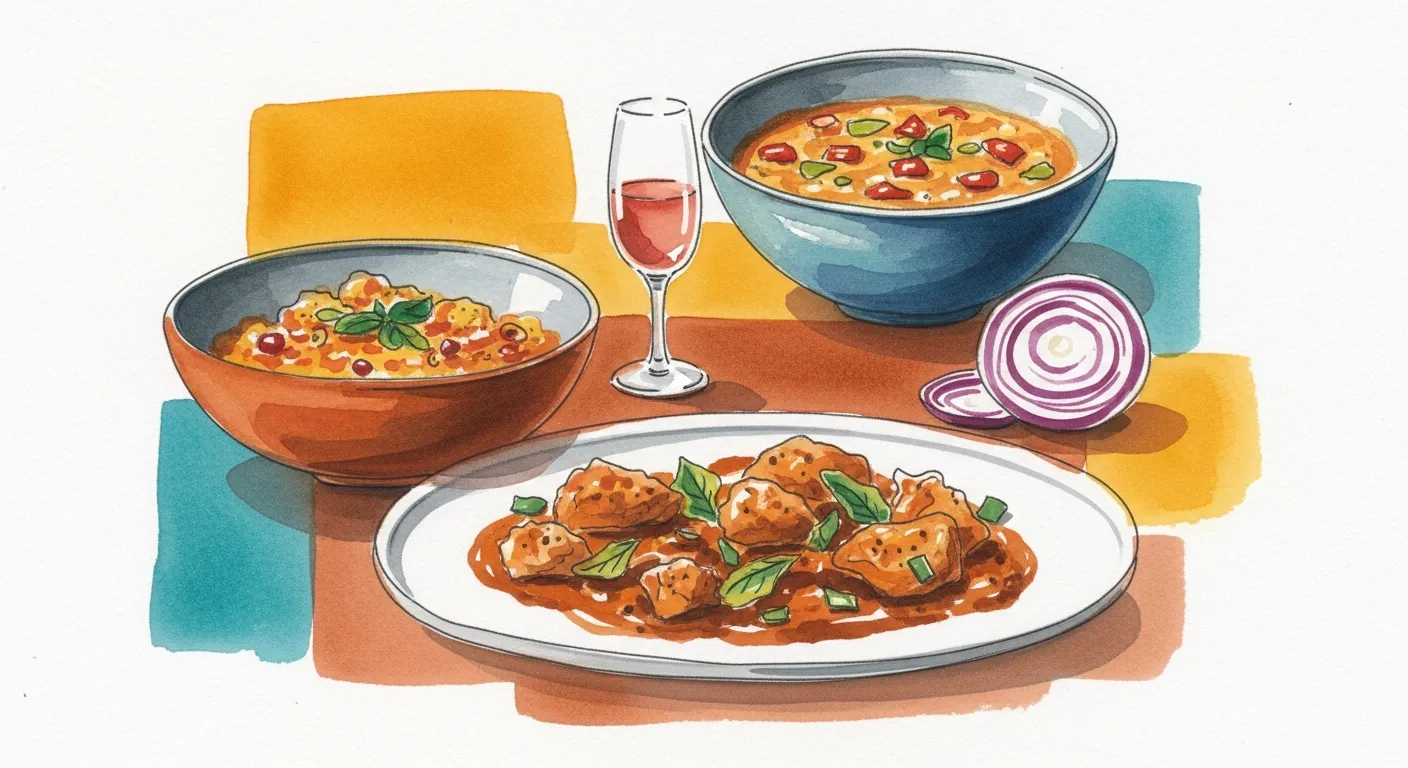
The clubhouse was built for weddings. It is holding conversations instead.
ThePrint noted that these home dining formats offer an immersive insight into local customs, family traditions, and hospitality, fostering cultural connections. In Chembur, the connection is not tourist-facing. It is neighbour-facing. The Bengali family in tower B finds out that the Marathi family in tower C has been eating shukto for two years because Rupa cooks it every second Thursday. The Sindhi aunty on the fourth floor meets the Iyer couple on the ninth for the first time over Sujata's rasam.
The society, which was built as a housing arrangement, quietly became a village.
WHAT HAPPENS NEXT
The BMC will figure this out eventually. The FSSAI will notice. The society bylaws in some buildings already prohibit commercial activity in common areas, and a few secretaries have started asking uncomfortable questions about whether a paid dinner for thirty counts as a private gathering or a restaurant operation.
The chefs are watching. Some have already moved to a model where the payment is called a contribution and the ticket is called an RSVP. Some have registered as home-based food businesses under the FSSAI small operator category, which permits cooking from a residential kitchen up to a specified turnover. Some are simply doing what the tiffin economy has done for forty years in this city, which is to operate below the notice line and above the community line.
Meena tai has a booking calendar in a spiral notebook. She writes in pencil. When somebody cancels, she erases and calls the next name on the waitlist.
The clubhouse is booked for the second Saturday of every month through July 2027.
The rent is 8,000 rupees.
The grandmothers finally got a restaurant.
Field Notes
Quick referenceA Bohri thaal for eight in Farida Kagalwala's Chembur Camp home costs 4,500 rupees a head. She has never advertised once.
Rupa Basu's eight-seat Bengali pop-up in Chembur East is booked out through March 2027. She started in February 2025.
A housing society party hall in Chembur books for 4,000 rupees per evening. A 450 sq ft commercial space in the same neighbourhood quoted 1.8 lakh a month.
Five home-chefs in Chembur are collectively moving close to 12 lakh rupees a month in food revenue. None of it is on Zomato.
Bombay retail rents surged up to 20% year-on-year in 2026. Premium spaces hit 777 rupees per square foot per month.
Get the next story first
Join the Bhukkads. Free, no spam, just stories.
Takes 30 seconds.