The Tariff That Rewrote the Tasting Menu
In Colaba, a 150% duty on imported wine and a 60% surge in farm-to-table sourcing are doing what decades of nationalism could not. Fine dining is finally speaking Marathi.
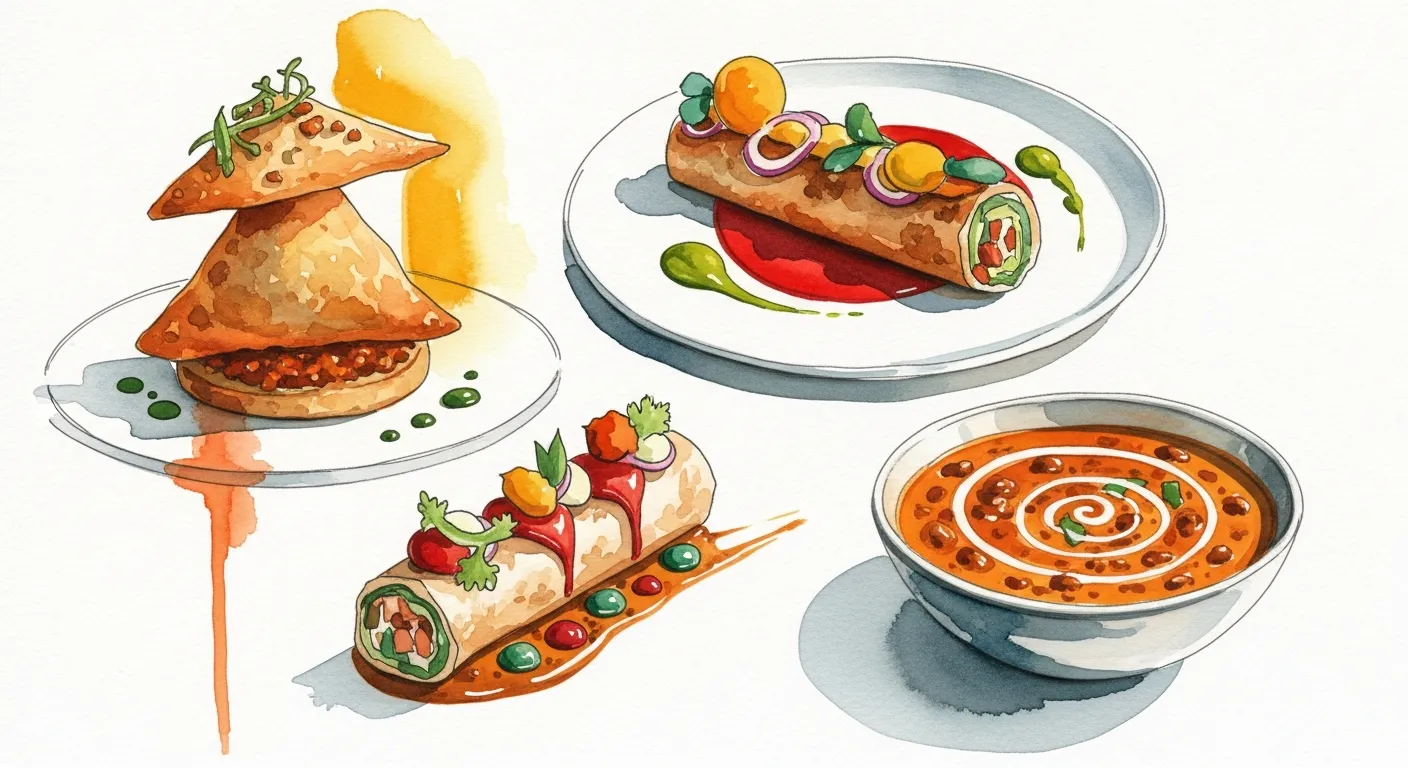
Generated by Imagen 4
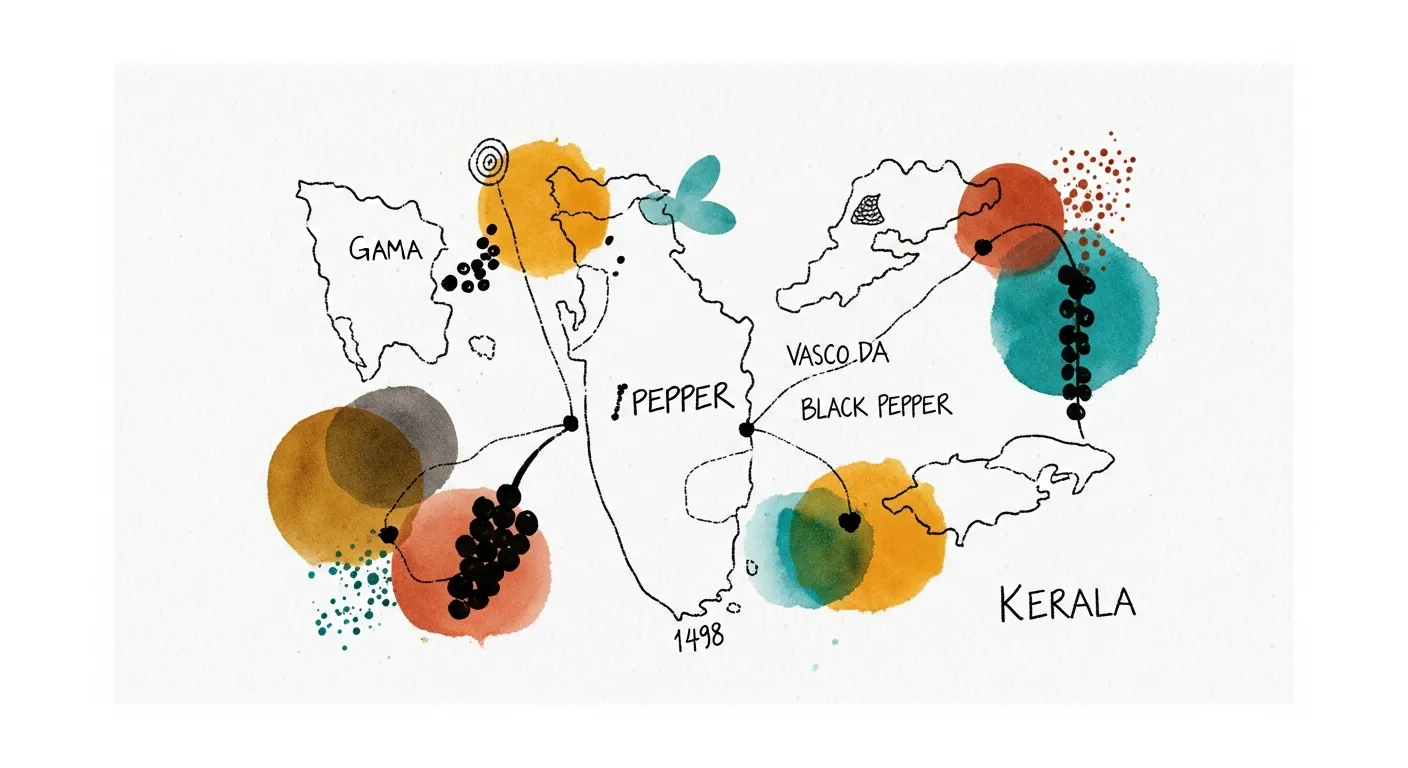
In 1498, a Portuguese sailor named Vasco da Gama landed at Kappad beach in Kerala looking for one thing. Black pepper. He had sailed 24,000 kilometres, buried a third of his crew at sea, and lost two of his four ships, because a kilo of pepper in Lisbon sold for what a Portuguese labourer earned in a month. Da Gama was not a diplomat. He was an arbitrage trader with a fleet.
Five hundred and twenty-eight years later, in a kitchen on Apollo Bunder, a chef is looking at a purchase order for imported Italian olive oil, San Daniele prosciutto, and Charentais melons from Provence. The invoice, after customs, GST, freight, and the third-party importer's margin, has grown 40% since 2019. The chef puts the order down. He picks up the phone and calls a woman in Alibaug who grows heirloom tomatoes on two acres of what used to be a rice paddy.
The pepper trade went in one direction for five centuries. It is now, quietly, going the other way.
THE DUTY THAT ATE THE IMPORTED PANTRY
India's tariff wall is not a rumour. It is a document. According to The Hindu's coverage of the USTR report, India's WTO bound rates average 113.1%, with peaks of 300% on select agricultural items. Walnuts land at a 100% duty. Raisins the same. Alcoholic beverages carry 150%. Coffee, in a country that grows some of the best arabica in the world, is protected at rates that make imported Ethiopian beans a luxury item by the time they clear Nhava Sheva.
Food Ingredients First reported that European food and beverage exporters have called Indian tariffs on wine, spirits, olive oil, and processed foods "prohibitive." A bottle of decent Chianti that costs 12 euros in Milan arrives on a Colaba wine list at 4,800 rupees. The tariff does not care about your tasting menu.
A 750 ml bottle of imported olive oil that cost a Colaba restaurant 1,400 rupees in 2019 now lands at closer to 2,100. Multiply that by every imported line item on a fine-dining pantry sheet and the maths stops working somewhere around the second course.
What happens next is not romance. It is arithmetic.
THE FARM THAT WAS ALWAYS THERE
Nobody talks about the fact that the farm-to-table restaurant is not a Californian invention. It is what every Indian household did until roughly 1991. The word seasonal did not need to exist because there was no other option. The tomato showed up in winter. The mango showed up in summer. The jackfruit showed up when the jackfruit tree decided.
What changed in the 1990s was the cold chain, the import liberalisation, and a generation of chefs trained in European kitchens who came home believing that legitimacy required a truffle. For thirty years, the Colaba fine-dining room measured its ambition in kilometres travelled. The further the ingredient had flown, the more serious the restaurant.
Then the tariffs climbed. Then the rupee slid. Then a 26-year-old sous chef in Bandra started an Instagram account posting photographs of Konkan wild mangoes that her grandmother's neighbour was foraging in Devgad. And ET Hospitality reported that the farm-to-table concept in India grew 60% in 2023 alone.
The imported truffle did not lose the argument. The customs officer won it.
THE TABLE, AND THE ONE ACRE IN ALIBAUG
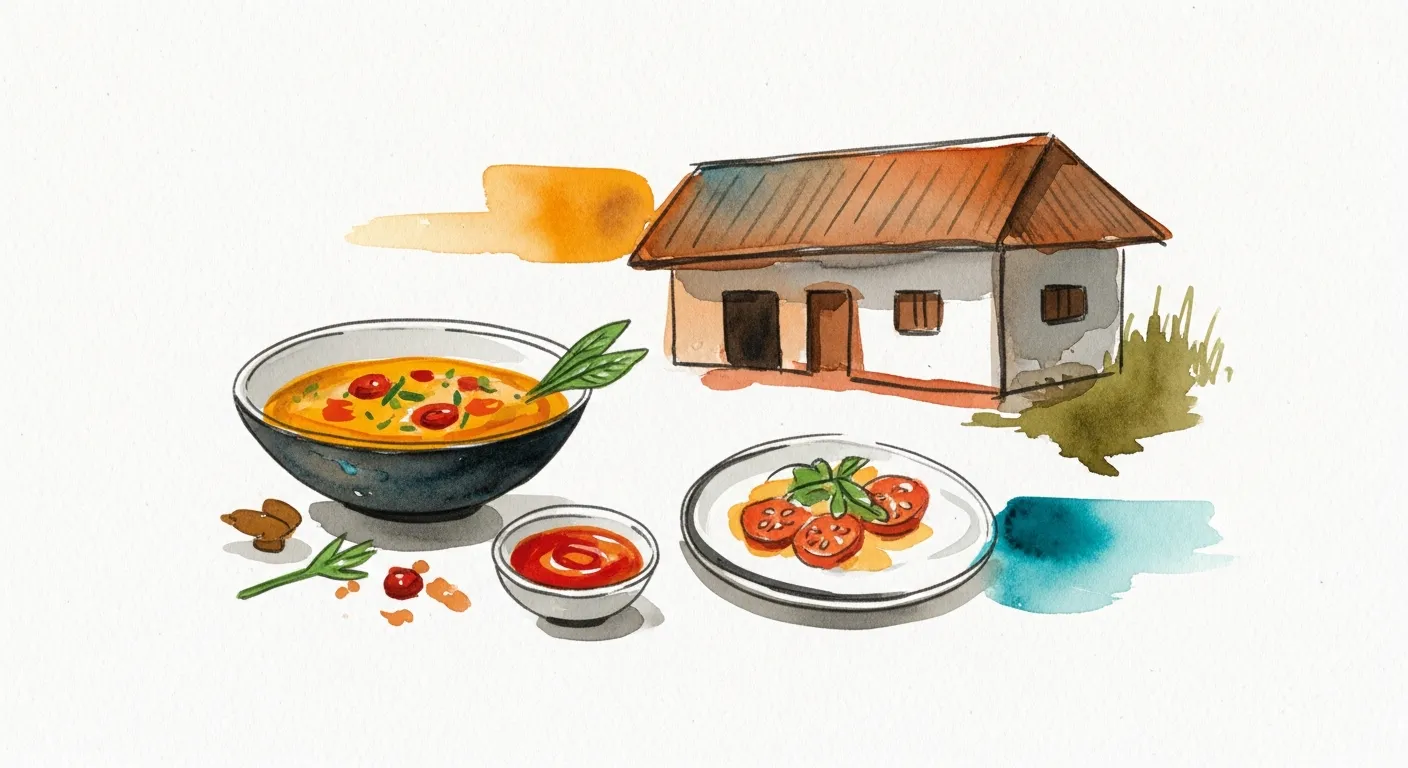
In 2011, a restaurant called The Table opened at Kala Ghoda on the Colaba stretch, run by Gauri Devidayal and Jay Yousuf. The original menu was proudly borderless. Burrata from Puglia. Iberico ham. New Zealand lamb. It was, for its first decade, one of the most confidently non-Indian rooms in the city.
In 2013, the same team bought an acre of land in Alibaug and started a farm called The Table Farm. It was, initially, a supplement. Herbs, some heirloom vegetables, a few edible flowers for garnish. What it became, by 2024, was the menu.
Elle India's review of The Table's redesigned menu, after 13 years of running the original, noted that the new card is built around "seasonal picks and hero Indian ingredients." The farm now supplies the kitchen with produce that would have been considered too parochial for the room in 2011. Kokum. Wild turmeric. Kolhapuri chilli. Rice varieties from single Konkan villages that no European supplier could have named.
The truffle got replaced by the kokum. The kokum was always cheaper. It just needed a 150% wine tariff to become fashionable.
THE FIVE PEOPLE DOING THE REWRITE
This is not a solo movement. Gauri Devidayal and Jay Yousuf did the Alibaug farm in 2013. Chef Alex Sanchez, who ran the pass at The Table for years, was cooking with local pomfret and Konkan pork long before it was a market position. Chef Prateek Sadhu, formerly of Masque in Lower Parel and now running his own project, has spent nearly a decade documenting Himalayan foraging routes and Ladakhi sea buckthorn. Chef Hussain Shahzad, who runs Papa's in Bandra and consults across the city, built an entire cuisine around Indian souring agents, amchur, kokum, dried mango, tamarind, that Colaba fine-dining had spent thirty years overlooking. And Chef Thomas Zacharias, who left The Bombay Canteen in 2020, now runs The Locavore, a full editorial platform devoted to mapping which Indian ingredient is at its peak in which week.
Five people. Ten years. One shared realisation. The imported pantry was a colonial habit, not a culinary necessity.
THE NUMBERS THAT MADE IT INEVITABLE
The NRAI 2024 India Food Services Report valued Mumbai's organised food services sector at 55,181 crore rupees, roughly 6.6 billion dollars. Fine dining remains a preferred category for high-spend consumers. But the margin structure has tightened. Rents in Colaba's Grade A hospitality real estate have climbed. Staff costs have climbed. And every imported ingredient carries a duty that has, in the last five years, become the single largest variable cost after rent.
The Mumbai Mirror's 2026 dining outlook noted that the next decade of Bombay fine dining will be defined by climate-conscious menus, indigenous grains like ragi, jowar, and bajra, and traditional souring agents replacing imported acids. Not because chefs discovered a new virtue. Because the accountants finished the spreadsheet.
A kilo of jowar from a Solapur farmer costs a Colaba kitchen roughly 55 rupees. A kilo of imported quinoa from Bolivia, after duty and freight, lands closer to 900. The nutritional profile is comparable. The story is better. The margin is not close.
THE CULTURAL SIDE EFFECT
Here is what nobody predicted. When the imported line items got expensive, the local ones got respected. The Alibaug farmer who used to sell his heirloom brinjals to a wholesaler at 40 rupees a kilo now sells the same brinjals to a Colaba kitchen at 180, with the restaurant using his name on the menu. The Konkan pomfret, once waved off as "local fish," now sits on a tasting menu at 2,400 rupees a plate, cooked in a banana leaf that came from a garden in Vasai.
The rice from a single village in Raigad, hand-pounded, sold in 5 kilo cotton sacks, is now the base grain in a khichdi course that costs more than the Italian risotto it replaced.
Da Gama came for the pepper. The pepper is still here. It just costs more to import it than to buy it from Kerala.
THE ROOM THAT LEARNED TO LISTEN
The Colaba fine-dining room, for most of its recent history, was designed to make a Bombay diner feel like they were somewhere else. Paris. New York. Milan. The lighting was European. The music was European. The pantry was European.
The pantry cracked first. Then the menu. Then the music, in some rooms, though not all. The lighting is holding on.
A chef in Colaba said, off the record, that the shift was not ideological. It was survival. The imported pantry had become an unaffordable ego. The local pantry, once you learned to source it, was better anyway.
The walnut from Kashmir tastes better than the one from California. The saffron from Pampore is stronger than the one from Iran. The olive oil, admittedly, is still a problem. But there is a small press in the Nilgiris now.
The pepper trade went in one direction for five centuries.
It turned around when the customs officer got a raise.
Field Notes
Quick referenceIndia's WTO bound rates average 113.1%. Alcoholic beverages: 150%. Walnuts: 100%. The wine list is priced accordingly.
The Table bought one acre in Alibaug in 2013 as a herb garden. By 2024 it was feeding the entire tasting menu.
Jowar from Solapur: 55 rupees a kilo. Quinoa from Bolivia, post-duty: 900. The spreadsheet did not need a second opinion.
Farm-to-table concepts in India grew 60% in 2023 alone. Not a trend. A tariff.
Chef Thomas Zacharias left The Bombay Canteen in 2020 and built a full editorial platform mapping which Indian ingredient peaks in which week.
Get the next story first
Join the Bhukkads. Free, no spam, just stories.
Takes 30 seconds.