The Village Inside the City Is Cooking for Fewer People
Khotachiwadi still bakes its own bread and its own festivals. The generation that knows how is running out of grandchildren to teach.
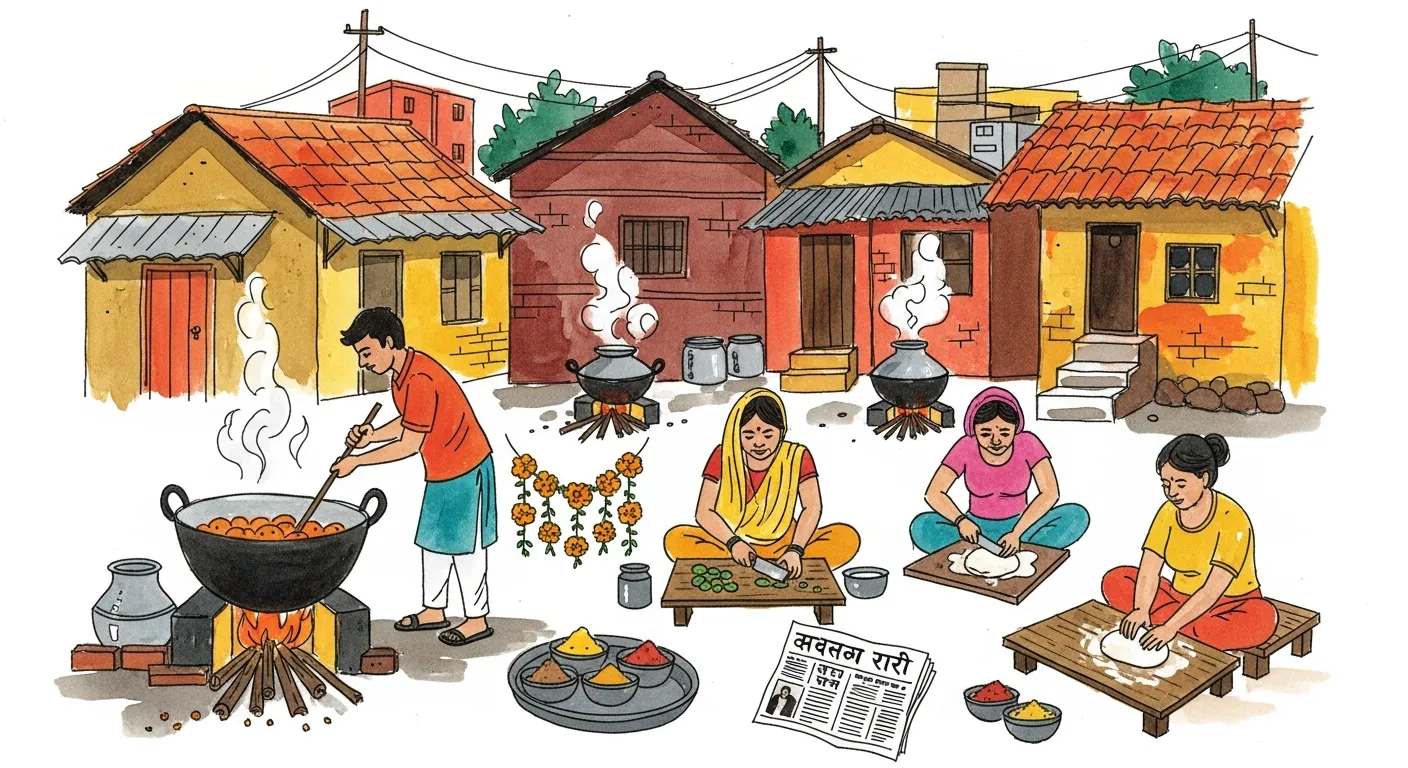
Generated by Imagen 4
In 1840, a Pathare Prabhu landowner named Dadoba Waman Khot sold small plots of his estate on the western slope of Girgaon to a specific kind of buyer. He was not looking for the highest bidder. He was looking for East Indian and a few Goan Catholic families who wanted to build low, wooden, Portuguese-style bungalows on land that was, at the time, mostly coconut groves and the back of a hill.
The hill is still there. It is called Girgaon. The coconut groves are gone. The bungalows, some of them, remain.
The village that Dadoba Khot accidentally founded, Khotachiwadi, had 65 bungalows at its peak in the 1960s. It has fewer than 25 now. The rest were sold, demolished, replaced by concrete towers that lean over the wooden ones like relatives at a wake who are not quite sure why they came.
But this story is not about the buildings.
THE OVEN NOBODY MENTIONS
Nobody talks about the fact that an East Indian home in Bombay is, first and last, a kitchen. Not a living room with a kitchen attached. A kitchen with a house wrapped around it, because the house exists to feed the feast days, and the feast days are the calendar.
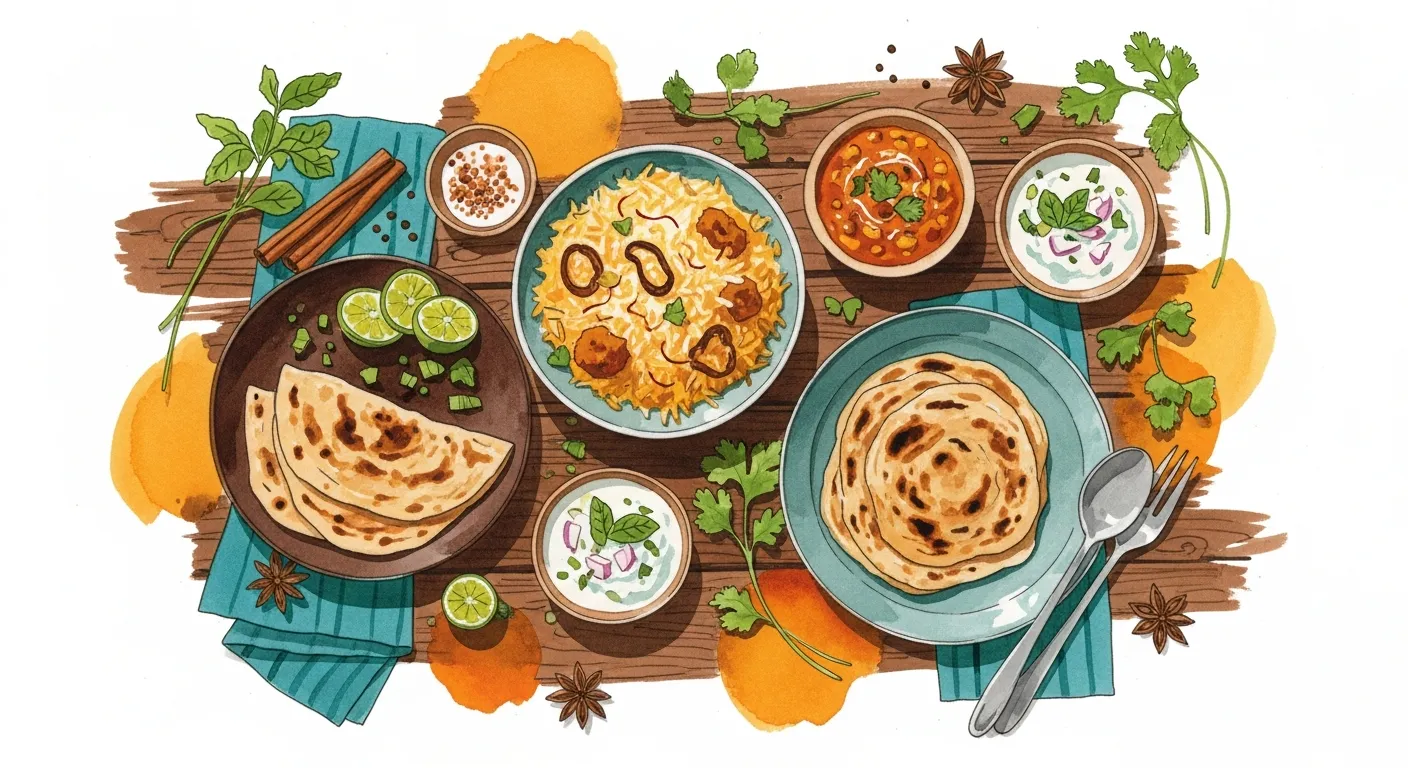
East Indians, the original Marathi-speaking Catholic community of Bombay's seven islands, converted under the Portuguese from the mid-1500s onward. They are not Goans. They are not Mangaloreans. They are the people who were already here when the Portuguese arrived in 1534, and their food carries that specific fact in every dish. Bottle masala, the 32-ingredient dry spice mix ground once a year in April on the terrace, is East Indian. Fugias, the little fried bread puffs served at Easter, are East Indian. Sorpotel exists in Goa too, but the Khotachiwadi version, thicker, darker, older-tasting, is its own thing.
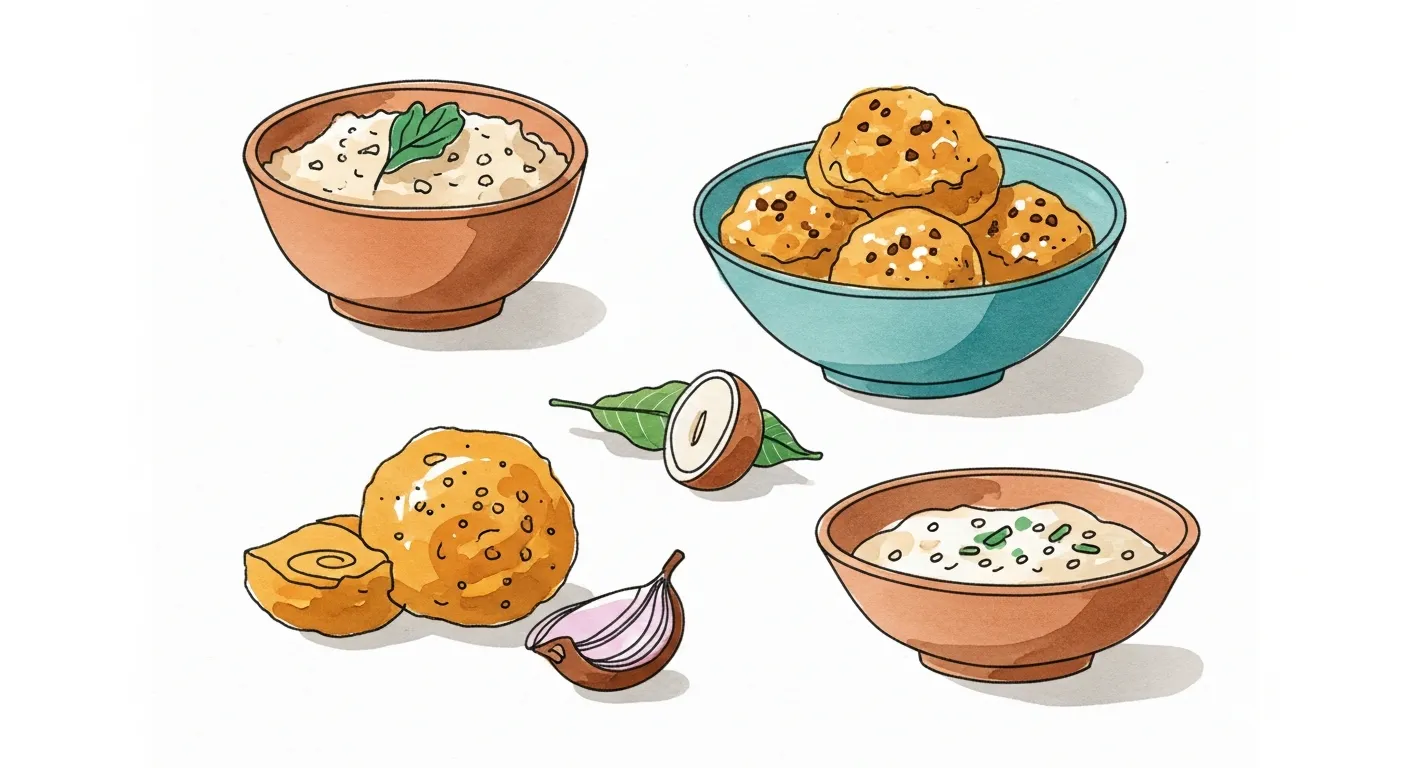
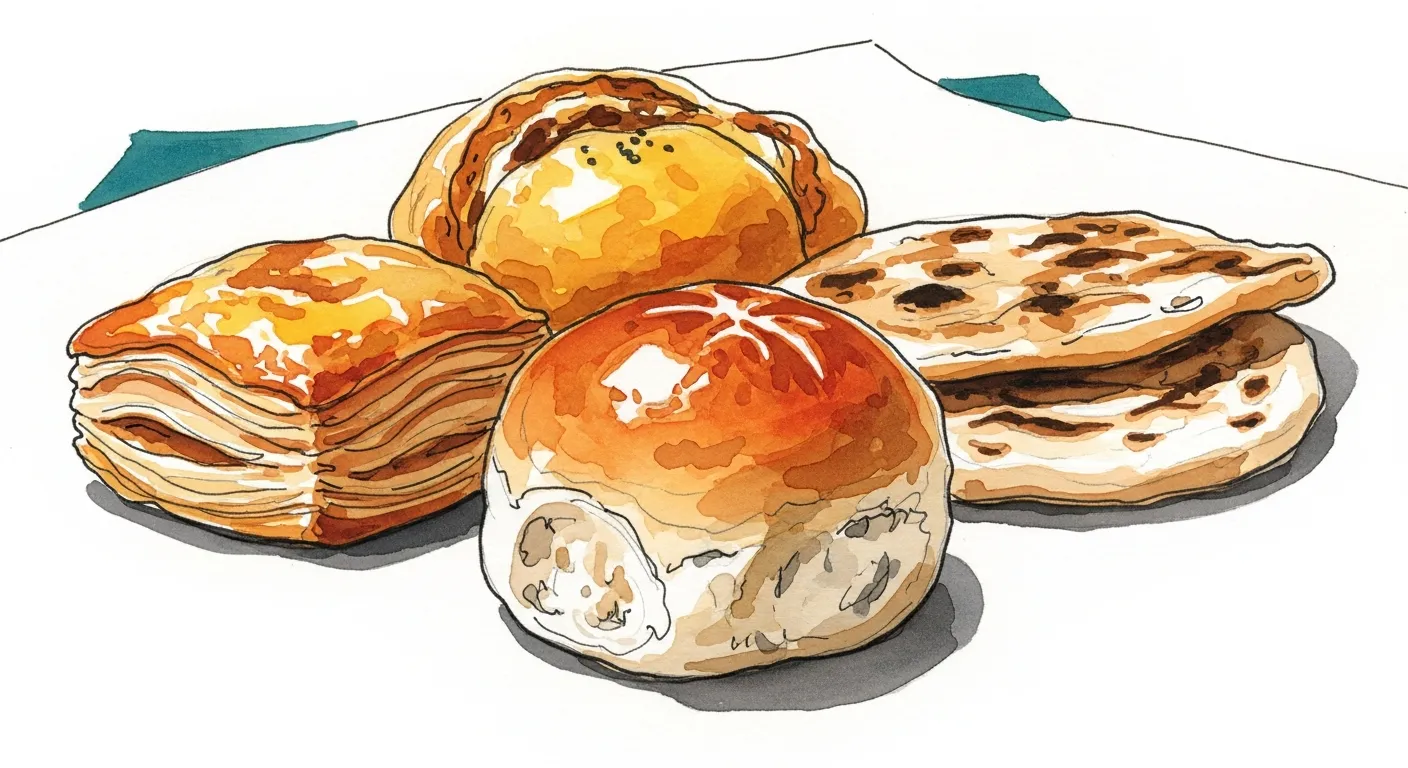
And then there is the bread. The East Indian community historically supplied bread to Bombay. The word gaowalli, the round village loaf, comes from these households. The chawl-side bakeries of Girgaon, Mazagaon, Bandra and Uttan were East Indian operations before they were anything else.
An East Indian Christmas requires 47 dishes across the twelve days. A single family cannot make it alone. It was never designed to be made alone.
THE ARITHMETIC OF A WOODEN HOUSE IN 2026
Property rates on 99acres for Khotachiwadi and the immediate Girgaon belt now range between roughly 45,000 and 75,000 rupees per square foot for redeveloped or new-build inventory in Mumbai South. A 900 square foot heritage bungalow, on paper, is sitting on land worth somewhere between four and six crore rupees.
On paper.
In practice, the bungalow is a Grade III heritage structure. It cannot be knocked down. It cannot be extended vertically. The roof tiles must be replaced with the same Mangalore tiles, which are made by three or four kilns in coastal Karnataka and cost roughly triple what a standard tile costs. The wooden beams must be treated for termites every second monsoon. The lime plaster on the exterior walls needs a specialist mason, and there are, by community estimate, fewer than a dozen such masons still working in the Bombay Metropolitan Region.
A Hindustan Times report noted that owners in Khotachiwadi increasingly describe their heritage bungalows as a liability, not an asset, because the restrictions on redevelopment collide with the ongoing cost of upkeep. Repairs are tedious. Permissions are slow. Government incentives for conservation, residents have argued for years, remain thin.
A family sitting on notional crores cannot borrow against the notional crores, because the buyer for a Grade III wooden bungalow with restricted redevelopment rights is a small pool. So they pay for the tiles, the termite treatment, the mason, and the monsoon damage out of ordinary salaries.
The house is worth six crore. The kitchen inside it is running on a school teacher's pension.
THE PEOPLE STILL COOKING
Four names, because you should know them.
James Ferreira, the fashion designer, has lived in his ancestral Khotachiwadi bungalow for decades and has been, more than any single resident, the reason the village retained international attention through the 2000s and 2010s. His Easter and Christmas gatherings kept the East Indian feast calendar visible to a Bombay that had otherwise stopped noticing.
Andre Baptista, a photographer and heritage walk organiser, has spent years documenting the community's recipes alongside its architecture, because he understood earlier than most that the two things were the same subject.
The late Charmayne D'Souza, poet and Khotachiwadi resident, wrote about the wadi's texture, its Sunday roasts and its wooden staircases, in verses that now function as an unofficial archive.
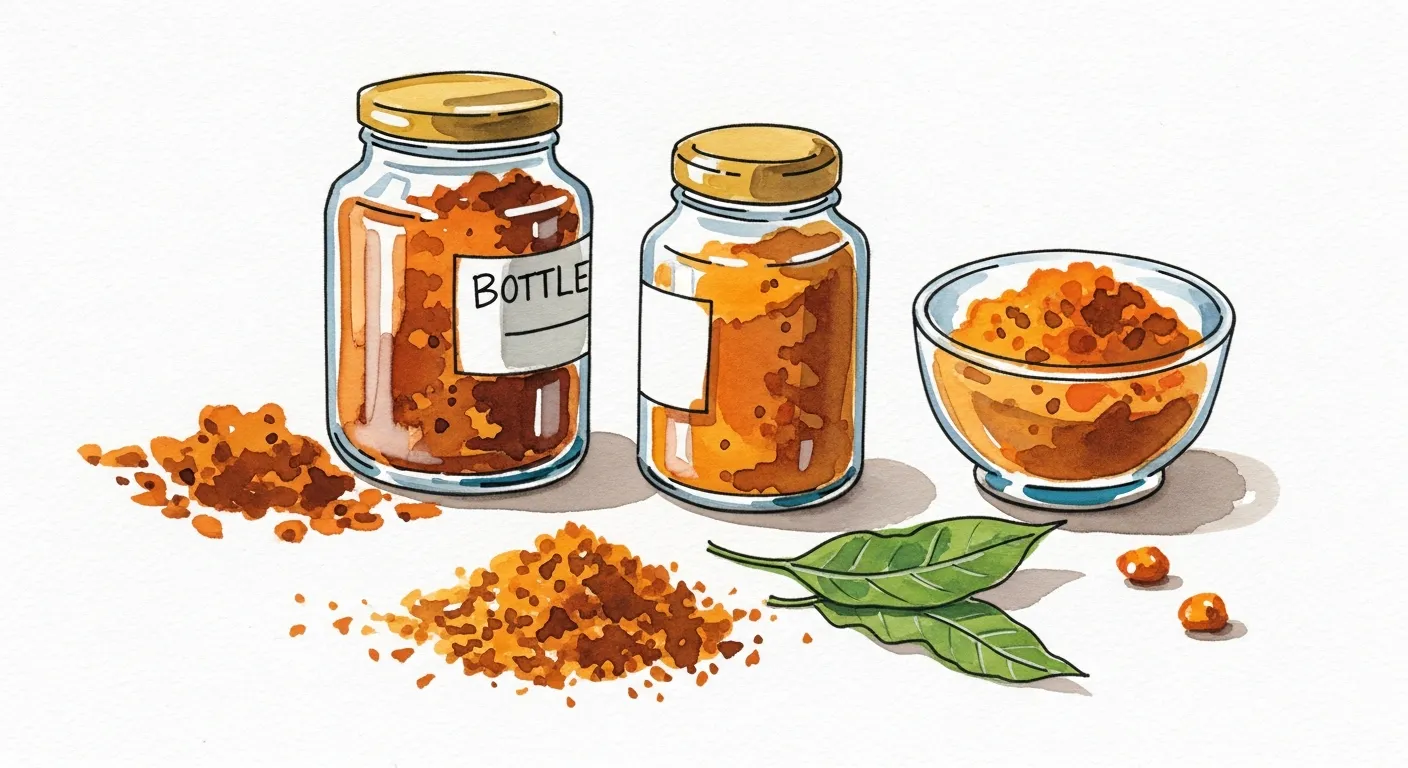
And Rashmi Sawant, part of the Bombay East Indian Association's food heritage efforts, has been one of several community members working on documenting bottle masala recipes across families, because every household grinds theirs slightly differently, and the differences are the point.
These are not the only names. But they are enough to tell you the shape of the problem. The custodians are visible. The successors are not.
THE GRANDCHILDREN ARE IN POWAI
The Heritage Conservation Society's Khotachiwadi documentation confirms what any Sunday visit will tell you. The younger generation has largely moved out. Powai, Vasai, Uttan, Navi Mumbai, and further, London, Toronto, Melbourne. The older residents stayed. The bungalows stayed. The recipes stayed in the older residents.
This is where the food story separates from the architecture story.
A building can be preserved by paperwork. A recipe cannot. Bottle masala is not written down in most households. It is done by smell, by the colour of the roasted coriander, by the specific afternoon in April when the sun is hot enough but not so hot that the chillies burn. A grandmother in Khotachiwadi grinding masala with her granddaughter present is transmission. A grandmother grinding masala alone while her granddaughter is on a call from Pune is preservation of one instance, and the loss of the next.
Academic work on Indian food heritage, including research published in The Anthropology of Food, has flagged this exact pattern across communities. Older generations remain the primary custodians of culinary knowledge. Urbanisation, migration and shifted dietary practices have thinned the transmission channels. What was once absorbed by proximity now has to be actively taught, and active teaching requires the student to show up.
You cannot learn fugias over WhatsApp. The dough tells you when it is ready by the sound it makes when you slap it. There is no voice note for that.
THE BAKERIES THAT WENT QUIET
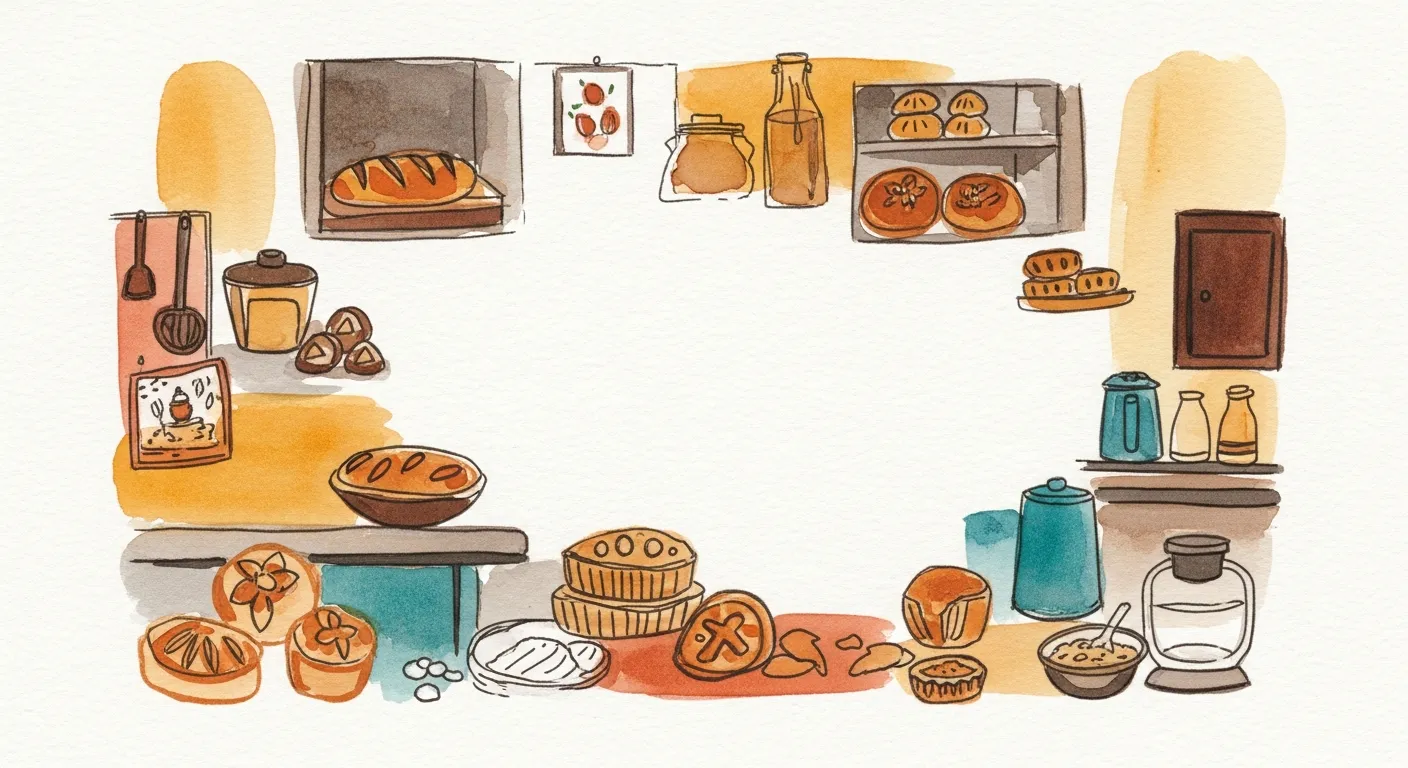
The small East Indian bakeries that once operated out of Khotachiwadi kitchens, supplying gaowalli to neighbours and hot cross buns before Good Friday, have mostly stopped. Not because anyone shut them down. Because the person who ran the oven turned 78, and the next person in the family works in tech in Hinjewadi, and nobody in between chose bread as a living.
A few remain. Some families still bake for their own feast days and take a handful of orders from neighbours. The volume is a fraction of what it was in the 1970s, when the wadi supplied bread to half of Girgaon.
Community-run initiatives, East Indian food pop-ups, heritage suppers organised by younger community members in Bandra and Vasai, are beginning to fill some of the gap. They are useful. They are also, honestly, a different thing. A feast cooked in a wadi kitchen by a woman who has cooked it every year of her life since 1962 is not the same object as a curated tasting menu, even when the recipe is identical. The context is half the dish.
WHAT THE VILLAGE STILL DOES
On a Sunday morning in Khotachiwadi, the smell coming out of a specific wooden bungalow near the chapel is unmistakable. Bottle masala, roasting slow, filling a lane that has heard this exact smell every April for four generations.
The person cooking is 71. Her daughter is in Sydney. Her granddaughter is on a video call, propped against the mortar, asking her to slow down and say the coriander part again.
That is also transmission. It is thinner than it used to be. It is not nothing.
The wadi is still cooking. Just for fewer people.
The bungalows will hold as long as the residents can afford the tiles. The recipes will hold as long as somebody is on the other end of the call.
Field Notes
Quick reference47 dishes across twelve days. An East Indian Christmas was never a one-family operation.
Khotachiwadi had 65 bungalows at its peak in the 1960s. Fewer than 25 remain standing today.
32 ingredients, ground once a year in April, different in every household. The differences are the point.
The East Indian community supplied bread to Bombay before most of Girgaon existed. The word gaowalli comes from their kitchens.
Fewer than a dozen lime plaster specialists still work in the Bombay Metropolitan Region. The wooden bungalows need them every monsoon.
Get the next story first
Join the Bhukkads. Free, no spam, just stories.
Takes 30 seconds.