The Almond Flour Costs More Than the Client
In Juhu, the home-chefs feeding the keto crowd are learning that a personalised diet is really a personalised supply chain.
Generated by Imagen 4
In 1921, a doctor at the Mayo Clinic named Russell Wilder was trying to stop children from having epileptic seizures. He noticed that fasting worked. Fasting also wasn't sustainable, which was a problem. So he designed a diet that mimicked fasting without the starvation. High fat. Almost no carbohydrate. Enough protein to keep a small body upright. He named it the ketogenic diet.
For the next eighty years, the ketogenic diet lived where it started, in the paediatric neurology wards of American hospitals, prescribed reluctantly, followed miserably, abandoned as soon as the seizures stopped.
Then Instagram happened.
By 2018, the diet designed to keep a seven-year-old from convulsing was being ordered on WhatsApp by a 34-year-old assistant director in Juhu who wanted to fit into a lehenga by December. She was not the exception. She was the market.
NOBODY TALKS ABOUT THE SUPPLY CHAIN
Everyone writing about the home-chef boom in Bombay describes it as a lifestyle shift. Post-pandemic. Personalised dining. The rising cost of eating out. All of this is true, and none of it explains what actually happens between a WhatsApp order for a keto thali and the thali showing up at a Juhu high-rise ninety minutes later.
What happens is a supply chain problem disguised as a food problem.
A standard Maharashtrian home cook stocking her kitchen for a week of tiffin service works with maybe fifteen ingredients. Rice, atta, toor dal, moong, onions, tomatoes, garlic, ginger, a few masalas, oil, ghee, seasonal vegetables. Everything comes from the Juhu market or the Santacruz mandi. Everything is bought that morning. The margin is thin but the arithmetic is stable.
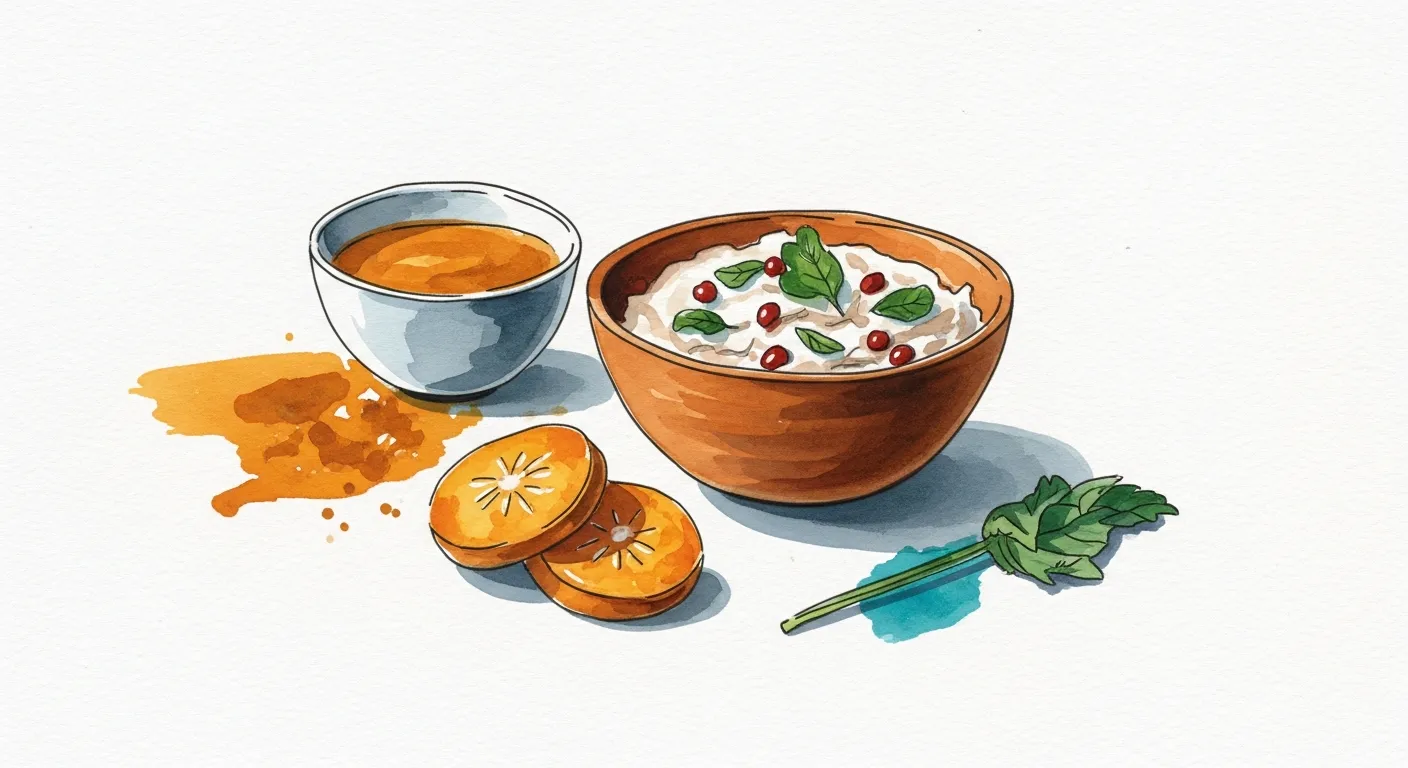
A Juhu home-chef running a keto and gluten-free service works with sixty. Almond flour. Coconut flour. Psyllium husk. Chia seeds. Flaxseed meal. MCT oil. Grass-fed ghee, which is not the same as the ghee her mother made. Erythritol. Stevia. Monk fruit sweetener. Xanthan gum, without which a keto bread has the structural integrity of wet sand. Sugar-free dark chocolate at 85 percent, which is not sold at the corner kirana. Cauliflower rice that has to be riced fresh because frozen has the wrong water content.
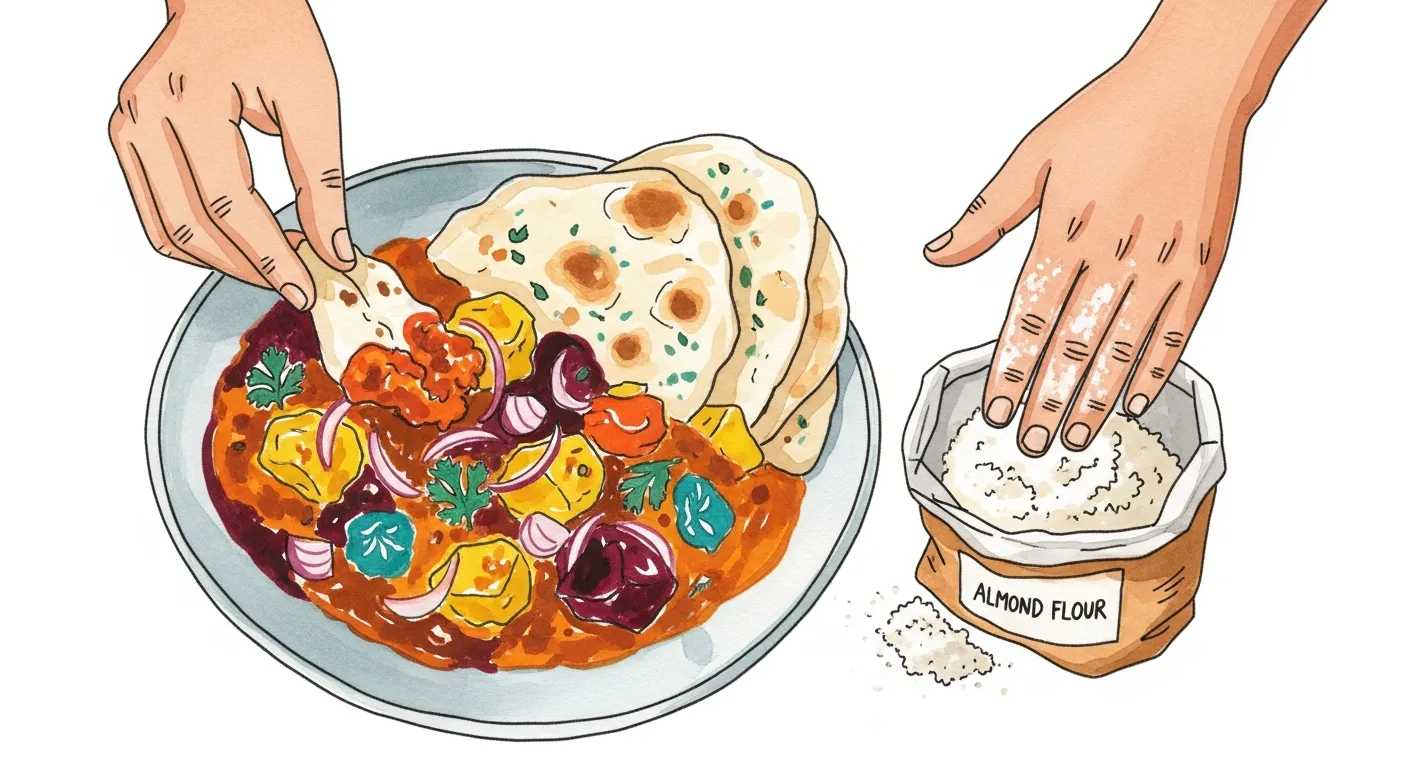
The almond flour alone costs more per kilogram than the average tiffin service charges for a full meal.
THE MATH THAT DOESN'T WORK
A kilogram of almond flour in Bombay, sourced from the specialty aisle at a Nature's Basket or ordered off Amazon, runs between 1,400 and 1,900 rupees depending on brand and grind. A keto roti uses roughly 40 grams of almond flour, 10 grams of psyllium, a splash of olive oil, and an egg. The raw material cost of a single roti, before labour, before packaging, before delivery, before gas, is close to 90 rupees.
A regular atta roti costs the same home-chef about 4 rupees to make.
The client, however, does not want to pay 90 rupees for a roti. The client wants to pay what a nice tiffin costs, plus a premium, and the premium she is willing to bear is maybe 40 percent. So the home-chef, who is running this operation out of her own kitchen in a Juhu building with a maid who comes at 7 AM, absorbs the rest.
Or she stops taking keto orders.
Or she gets clever.

The personalisation is the product. The ingredient list is the cost of goods sold. The gap between them is where the home-chef either builds a business or burns out.
THE WOMEN WHO DID THE MATH
Poonam Kapur's Healthy Kitchen has been operating out of Juhu for years, listed on Justdial under diet food delivery, quietly building the kind of client list that does not need a website. Kapur figured out early what most home-chefs figure out late: you do not price the roti. You price the week.
A weekly meal plan, five days, two meals a day, keto or gluten-free or diabetic or a hybrid of all three, gets priced as a bundle. The client sees a number that feels reasonable when divided by ten meals. The home-chef sees a number that lets her buy almond flour in five-kilogram sacks from a wholesaler in Crawford Market instead of 500-gram pouches from Nature's Basket. The per-kilo cost drops by nearly 40 percent. The margin appears.
This is not a food business. This is a bulk purchasing arbitrage with a kitchen attached.
Across Santacruz West and Juhu Koliwada, services like Tiffit have moved into the same space, pitching themselves on the promise that every meal is freshly cooked upon order, using high-quality ingredients, no preservatives, and minimal oil. The offer runs across North Indian, South Indian, protein-packed meals, and healthy diet options, with special meals for vegetarians, non-vegetarians, and customised diet preferences. The 100 rupee introductory discount is not a promotion. It is a client acquisition cost, and it is cheaper than a single Instagram ad targeting Juhu pincodes.
THE CULTURAL PART
Here is what nobody in the wellness columns will tell you.
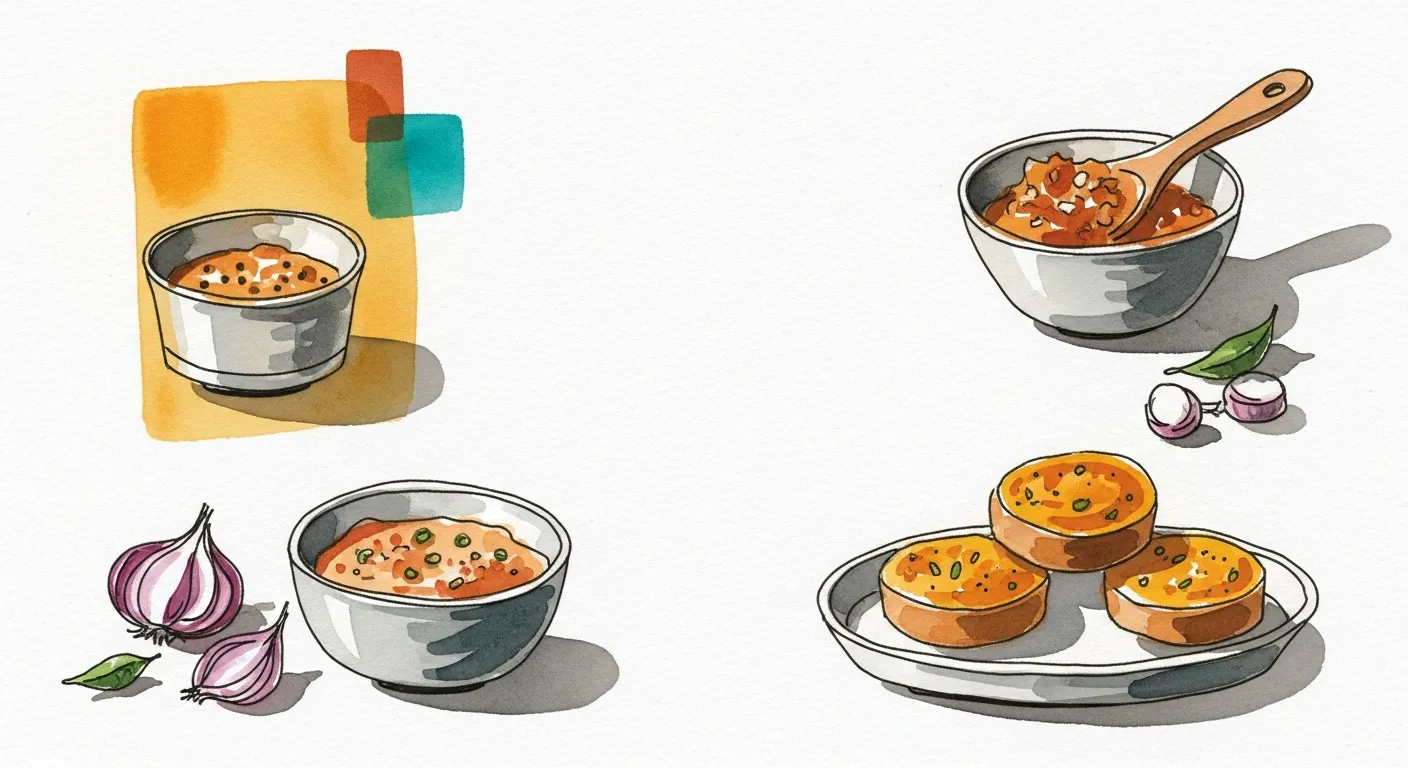
The woman running a keto kitchen out of her Juhu flat learned to cook from her mother, who cooked from her mother, and neither of them ever used almond flour for anything except a barfi at Diwali. The recipes she is now selling, the cauliflower khichdi, the almond flour thepla, the paneer bhurji with no onion because onions have carbs, are not recipes she grew up with. They are recipes she engineered, tested on herself, adjusted for the client who complained the last batch was too dry, and adjusted again for the client who said her blood ketones dropped after eating them.
She is not preserving a tradition. She is inventing one.
The Marathi thali her grandmother made in Girgaon in 1962 had bhakri, pithla, a sabzi, dal, rice, and koshimbir. Total carbohydrate: roughly 180 grams. Total cost in 2026 rupees: maybe 60. Total time to make: 90 minutes.
The keto thali her granddaughter delivers in Juhu in 2026 has almond flour roti, paneer with spinach cooked in ghee, a mixed seed chutney, cauliflower rice, and a small bowl of full-fat curd. Total carbohydrate: under 20 grams. Total cost to produce: close to 280 rupees. Total time to make: also 90 minutes, because the almond flour roti takes twice as long to roll and half as long to cook.
The grandmother would not recognise the food. She would recognise the labour.
THE PART THAT SCALES AND THE PART THAT DOESN'T
The real challenge of a home cloud kitchen is not consistency or packaging or delivery, though all of those matter. The real challenge is that a home-chef who has cracked the almond flour arithmetic for eight clients cannot simply take on eighty.
At eight clients, she is a home-chef. At eighty, she is a small food manufacturer, and the FSSAI licence she got as a formality now becomes a compliance regime. The kitchen that fit inside her flat now needs a separate space. The maid who came at 7 AM now needs to be three people on a payroll. The wholesaler in Crawford Market, delighted with a five-kilo weekly order, now expects a fifty-kilo weekly order and quotes a different price for it. The margin that appeared at scale disappears again at bigger scale, and reappears only if she can hit 200 clients, at which point she is no longer a home-chef at all.
Most of them stop at somewhere between 15 and 30 regulars. The pause is not laziness. It is the ceiling of a kitchen that was designed to feed a family.
THE JUHU EQUATION
Juhu is a good market for this because the density of clients who want a keto lunch and can pay 800 rupees for it is higher here than almost anywhere else in the city. Film industry. Advertising. Tech founders with a Peloton habit. The building next door has three of them. The building after that has five.
A home-chef in Juhu does not need to advertise. She needs one client to recommend her to two others, and if the food is good, this happens within a month. Word of mouth in a Juhu high-rise is faster than any algorithm.
The client roster is a WhatsApp broadcast list. The marketing budget is a good week of cooking.
The Juhu home-chef running a bespoke diet kitchen is not selling food. She is selling the absence of decisions. The client who orders a week of keto meals is buying back the mental space it takes to plan, source, cook, and clean up after fifteen meals that meet a specification. The food is the vehicle. The specification is the product.
THE CALLBACK
Russell Wilder designed the ketogenic diet in 1921 for children who were seizing. He would have found it strange that a hundred and five years later, in a suburb of Bombay he could not have located on a map, a woman he never met would be selling his diet by the week to a client who never had a seizure, using an ingredient she buys in five-kilo sacks from a market older than the diet itself.
Of course she is. The almond flour costs more than the client wants to pay. She figured that out too.
Field Notes
Quick referenceThe ketogenic diet was designed in 1921. It spent 80 years in paediatric neurology wards before Instagram turned it into a lunch order.
A single keto roti costs close to 90 rupees in raw materials. A regular atta roti costs the same home-chef 4 rupees to make.
A kilogram of almond flour in Bombay runs between 1,400 and 1,900 rupees. The average tiffin service charges less than that for a full week of meals.
Most Juhu keto home-chefs cap at 15 to 30 regulars. Beyond that, the kitchen that was designed to feed a family stops being enough.
Switching from 500g pouches at Nature's Basket to 5kg sacks from Crawford Market drops the per-kilo almond flour cost by nearly 40 percent. The margin lives in that gap.
Get the next story first
Join the Bhukkads. Free, no spam, just stories.
Takes 30 seconds.